How Much Do Concrete Polishing Services in Springfield, IL Cost?
Floors take more abuse than most homeowners expect. Foot traffic, moisture, dropped tools, and Midwest weather all leave marks over time. That is one reason many property owners now ask about Concrete Polishing Services in Springfield, IL for garages, basements, retail shops, and commercial buildings.
Local companies like Concrete Art LLC often handle projects where older concrete looks dull, stained, or uneven after years of use. A polished concrete surface can improve appearance, reduce dust, and make daily cleaning easier. Want a floor that reflects more light and holds up under heavy use? Polished concrete fits that goal for many Springfield properties.
Why are Homeowners Choosing Polished Concrete Floors in Springfield?
Many local homes still have unfinished basement and garage slabs. Years ago, people simply painted them. Now, polished concrete has become more common because it gives a cleaner and more modern finish.
Springfield homeowners often want flooring that handles moisture changes better than wood or laminate. Polished concrete works well in basements because it does not trap moisture underneath the way some floor coverings can
Concrete polishing can work in:
- Garages
- Basements
- Warehouses
- Retail stores
- Patios
- Showrooms
Some homeowners ask whether polished concrete feels too industrial. That depends on the finish level and stain choice. A satin finish often feels softer visually than a high-gloss commercial look.
Affordable Concrete Polishing Services in Springfield, IL have become popular with homeowners renovating older ranch homes near neighborhoods like Leland Grove and Westchester. Many properties already have solid concrete slabs under carpet or tile.
Which Concrete Polishing Options Work Best for Local Properties?
Different finish levels suit different buildings. A warehouse floor has different needs than a residential basement or kitchen.
Here are common polishing options used in Springfield properties.
Matte Finish Concrete Polishing
This finish has low shine and hides dust well. Many homeowners choose it for garages and workshops.
Pros:
- Lower glare
- Easier to maintain
- Good traction
Cons:
- Less reflective
- Does not create a decorative showroom look
Satin Finish Polished Concrete
Satin finishes balance appearance and practicality. This option works well in family homes and office spaces.
Pros:
- Moderate shine
- Easy cleaning
- Comfortable appearance indoors
Cons:
- Shows scratches more than matte surfaces
High-gloss Polished Concrete
Retail shops and commercial buildings often choose high-gloss finishes because they reflect overhead lighting well.
Pros:
- Bright appearance
- Professional look
- Helps large spaces feel cleaner
Cons:
- Shows dirt faster
- Can become slippery if water sits on the surface
How Does the Concrete Polishing Process Actually Work?
Many property owners expect polishing to be a quick buffing job. The process takes several steps and depends heavily on slab condition.
Inspection and Surface Testing
Contractors inspect cracks, stains, moisture levels, and old coatings first. Some older Springfield slabs contain sealers or adhesives that require removal before grinding begins.
A licensed contractor in Illinois may test moisture conditions before polishing basement floors. Excess moisture can affect long-term results.
Grinding the Concrete Surface
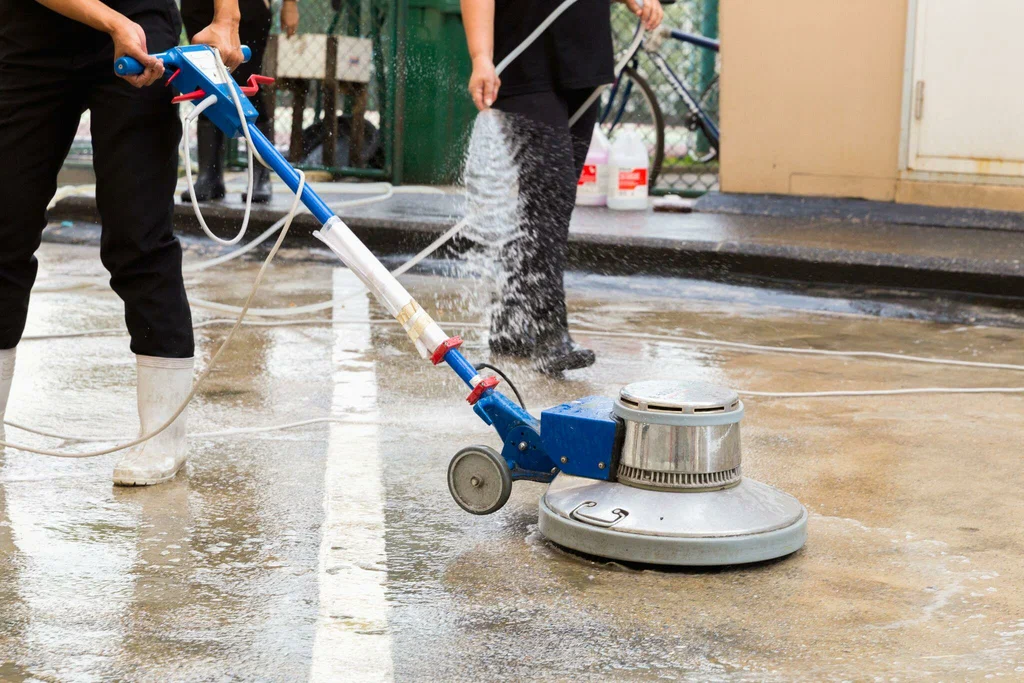
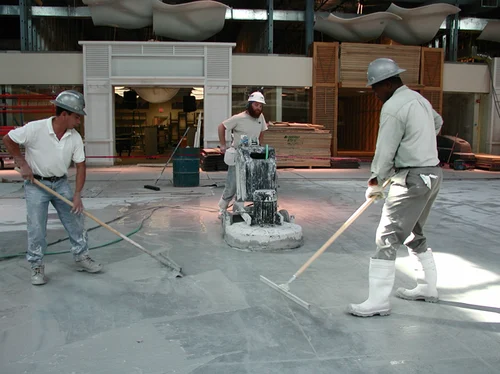
Industrial grinders remove the top layer of concrete using diamond abrasives. Contractors start with coarse grinding tools and move toward finer grits.
Dust control matters during this phase. OSHA requires silica dust protection during concrete grinding work. OSHA silica safety standards explain exposure rules for contractors and workers.
Crack and Joint Repair
Small cracks often appear once grinding begins. Contractors fill joints and damaged sections before continuing polishing.
Have you ever noticed hairline cracks in older garage floors after winter? Freeze and thaw movement commonly causes them in Illinois.
Densifier Application
A liquid densifier hardens the concrete surface. This step improves durability and helps the slab take a better polish.
Final Polishing and Sealing
Contractors polish the slab to the selected finish level. Some projects include stain guards or protective sealers afterward.
Concrete Art LLC and similar local specialists often complete residential polishing projects within two to five days depending on square footage and repairs needed.
Top Concrete Polishing Services in Springfield, IL often require more prep work in older homes because hidden slab damage appears once carpet or tile gets removed.
What Affects Concrete Polishing Costs in Springfield, IL?
Floor size matters, though several other factors affect pricing.
Existing Floor Condition
A smooth slab costs less to polish than one with deep cracks, glue residue, or uneven sections.
Older homes near downtown Springfield sometimes have floors requiring extensive grinding and patching before polishing can begin.
Finish Level
High-gloss finishes need more grinding passes and polishing steps. Decorative stains add labor and material costs too.
Residential vs Commercial Projects
Large warehouses often cost less per square foot because crews work faster in open spaces.
Residential projects may involve tighter rooms, furniture movement, or detailed edging work.
Moisture and Repairs
Basement floors with moisture issues may require extra sealing work. Cracks and surface damage add labor time.
According to HomeAdvisor data published in 2025, polished concrete flooring commonly ranges between $3 and $12 per square foot depending on finish level and repairs.
Concrete Polishing Contractors in Springfield, IL may cost slightly more during colder months when moisture conditions slow curing times for repairs and sealers.
How Do You Choose the Right Concrete Polishing Contractor Locally?
Not every flooring contractor specializes in polished concrete. Experience matters because grinding equipment and surface preparation affect long-term durability.
Ask contractors these questions before hiring:
- How many polished concrete projects have you completed locally?
- Do you repair cracks before polishing?
- What finish levels do you recommend for this property?
- Will you test moisture levels first?
- Is dust containment included?
Some Springfield projects may require permits if major renovations happen alongside flooring work. Sangamon County building departments may require permits for structural or commercial remodeling tied to flooring upgrades.
A contractor focused mainly on handyman work may not own commercial-grade grinding equipment. Specialists who handle reliable concrete polishing in Springfield, IL every week often provide more consistent finishes.
That is one area where companies like Concrete Art LLC stand apart from general remodeling crews. A dedicated polishing contractor usually understands local slab conditions, moisture concerns, grinding methods, and trade-specific insurance requirements better than companies handling many unrelated services.
Want another sign of a reliable contractor? Look for clear maintenance instructions after the project finishes. Good contractors explain how to clean polished floors without damaging the surface.
Conclusion
Choosing flooring for a home or commercial property often comes down to durability, maintenance, appearance, and long-term cost. Professional Concrete Polishing in Springfield, IL continues growing in popularity because polished surfaces handle daily wear well and work in many types of buildings. From garages and basements to retail stores and warehouses, polished concrete gives property owners a practical flooring option with a clean finish.
If you want help comparing finish levels, repair needs, or maintenance expectations, reaching out to Concrete Art LLC can help you understand which polishing system fits your property and budget best. A local assessment often makes the next step much easier.
FAQs
Properly maintained polished concrete floors can last 20 years or longer. Garages and commercial spaces may need occasional re-polishing in high-traffic areas. Regular sweeping and avoiding harsh cleaners help preserve the finish.
Yes. Many Springfield homeowners choose polished concrete for basements because it handles moisture better than carpet or laminate. The smooth surface resists mold growth and cleans easily after seasonal humidity changes.
Most residential projects range from $3 to $12 per square foot. Pricing depends on slab condition, repairs, stain choices, and gloss level. Large commercial projects sometimes cost less per square foot due to faster production rates.
Dry polished concrete usually provides decent traction. Water or spills can make high-gloss surfaces slick. Many contractors recommend satin finishes for homes because they balance shine and grip.
Older slabs often work well for polishing if they remain structurally sound. Contractors may need to repair cracks, remove coatings, or level damaged areas before grinding begins.