Professional Decorative Concrete Coating in Decatur, IL
Protect concrete with professional coating services in Decatur, IL. Learn about surface preparation, decorative finishes, durability, maintenance, and care.
Concrete surfaces can look worn long before they lose their basic strength. Garages, patios, driveways, basements, warehouses, and commercial floors deal with traffic, stains, moisture, chemicals, abrasion, and repeated cleaning. A professional coating can improve appearance while adding a protective layer that helps the slab resist everyday wear. The best results depend on choosing the right system for the space and preparing the concrete correctly before any coating is applied.
Concrete Art LLC provides concrete polishing, coating, sealing, epoxy flooring, and epoxy garage floor services for residential and commercial properties. Its coating service is designed for garages, warehouses, patios, driveways, and other concrete surfaces that need improved durability and a more finished appearance. A strong project begins with the slab itself. Cracks, contamination, old coatings, moisture, surface hardness, and traffic expectations should all be reviewed before the final color or texture is selected.
Why Concrete Coating Projects Start Below the Surface
Professional concrete coating services are not simply a matter of rolling material over an existing floor. The surface must be sound, clean, and properly prepared so the new coating can bond consistently. Concrete Art LLC describes its coatings as suitable for residential, commercial, and industrial surfaces, with options intended to resist stains, chemicals, moisture, and heavy traffic.
A complete project may include:
- Inspecting the concrete for visible damage
- Evaluating old coatings or sealers
- Cleaning oil, dirt, and surface contamination
- Repairing suitable cracks or damaged spots
- Mechanically preparing the slab
- Removing dust created during preparation
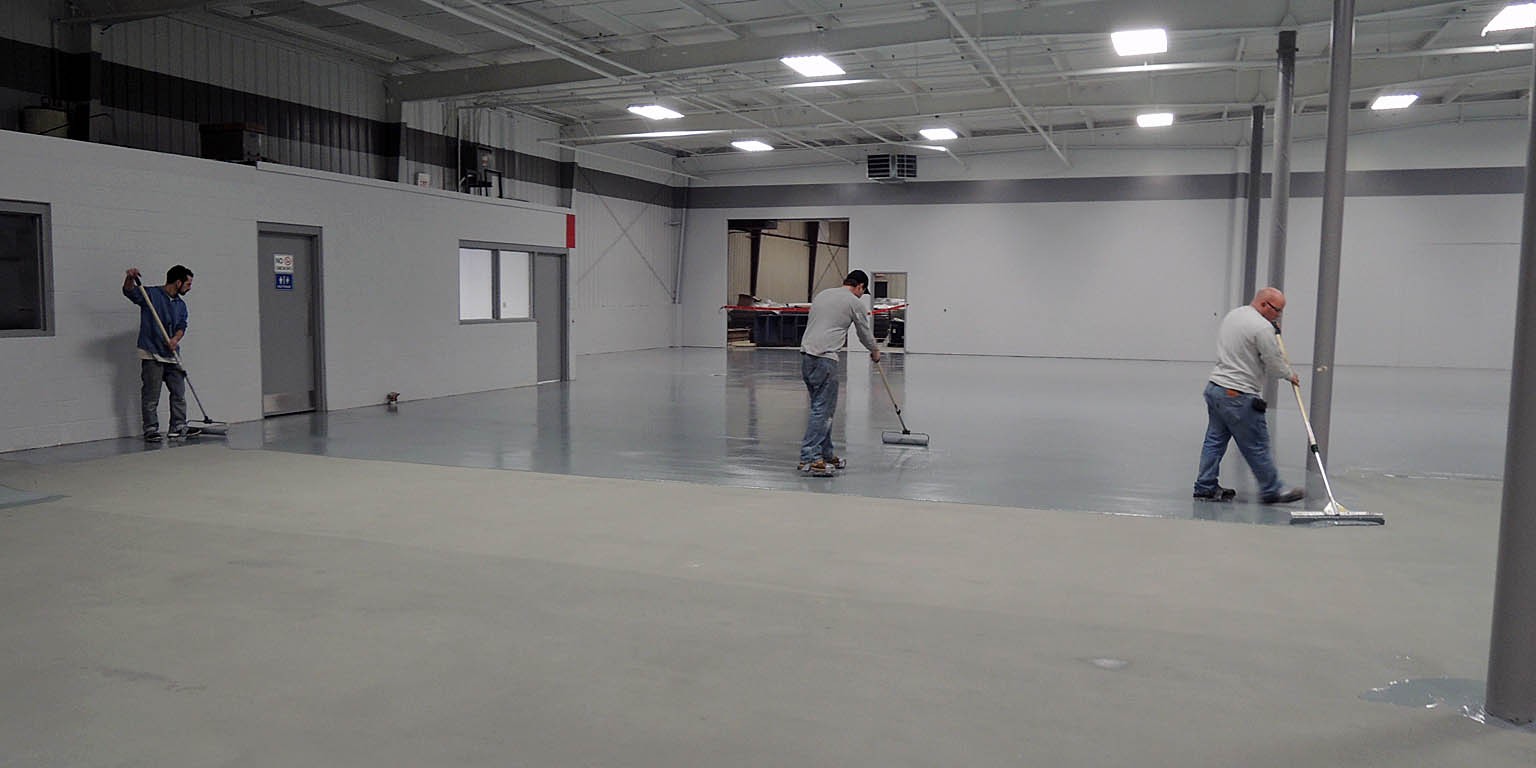
- Applying the selected coating system
- Adding decorative flakes or texture when requested
- Applying a compatible protective finish
- Allowing proper cure time before normal use
The exact sequence depends on the product and the condition of the floor. Skipping preparation may save time initially, but it can reduce adhesion and shorten the useful life of the finished surface.
Decorative Concrete Coatings in Decatur, IL
Homeowners and business owners considering decorative concrete coatings in Decatur, IL can use coating systems to improve both appearance and daily performance. The Decatur page confirms that Concrete Art LLC provides concrete polishing, coatings, sealing, epoxy flooring, and garage floor systems for homes and businesses.
Decorative coatings can be used to change color, add texture, introduce flake patterns, or create a smoother finished look. The design should still fit the way the surface is used. A residential patio may prioritize appearance and easier cleaning, while a garage may need stronger resistance to vehicle traffic, oil spots, and regular abrasion.
Surface Preparation Determines Coating Performance
Concrete can hold contaminants even when it appears clean. Oil, grease, old paint, curing compounds, sealers, adhesives, dust, and other materials can interfere with bonding. Mechanical preparation helps expose a suitable surface and gives the coating a more reliable profile to attach to.
Preparation may also reveal conditions that were difficult to see before grinding or cleaning. Small cracks, weak patches, previous repairs, and surface damage can become more obvious once old material is removed.
A contractor should explain what preparation method is planned and why it fits the slab. Applying a premium coating over poorly prepared concrete still creates a weak system because the coating can only perform as well as the surface supporting it.
Crack Repair Should Be Evaluated Before Coating
Cracks are common in concrete, but not every crack should be treated the same way. Some are stable and suitable for repair before coating, while others may continue moving because of settlement or structural conditions.
A coating can improve appearance, but it should not be described as a structural repair. Large movement, severe settlement, or major slab damage may require another type of evaluation before decorative work begins.
Where repair is appropriate, the contractor can clean and prepare the crack, use a compatible repair material, and blend the area into the coating process. Homeowners should understand that repaired cracks may still remain somewhat visible depending on the system, texture, and movement history.
Garage Floor Coating for Everyday Use
A garage floor coating has to handle more than foot traffic. Vehicle tires, road debris, oil, tools, storage equipment, and repeated cleaning all place stress on the surface.
Homeowners should discuss how the garage is used before selecting a finish. A working garage may need a different level of texture and durability from a space used mainly for parking. Decorative flakes can help create visual variation and may make ordinary dust less noticeable, while a protective top layer can support easier maintenance.
Traction should also be considered. A high-gloss finish may look attractive, but surface texture can matter when the floor is wet. The best balance depends on appearance goals, cleaning preferences, and normal garage activity.
Protective Concrete Coating in Taylorville, IL
Property owners looking for protective concrete coating in Taylorville, IL can use coating systems for garages, basements, patios, driveways, and commercial spaces. The Taylorville page confirms that Concrete Art LLC offers concrete coating, polishing, sealing, epoxy flooring, and epoxy garage floor services in the area.
Protective coatings can help reduce direct exposure to stains, chemicals, moisture, and daily wear. That does not mean the floor becomes maintenance free or impossible to damage. Spills should still be cleaned, abrasive debris should be removed, and harsh chemicals should not be used unless they are compatible with the installed system.
A practical coating is one that fits the expected traffic and maintenance routine. The installer should explain how the finished surface should be cleaned and what types of use should be avoided while the coating is curing.
Choosing Between Smooth and Textured Finishes
Concrete coatings can be finished with different levels of texture. Smooth surfaces are often easier to sweep and mop, while textured finishes may provide additional traction in spaces where water or spills are more likely.
The right choice depends on the location. Patios, entry areas, and garage floors may benefit from more texture than a dry interior room. Commercial spaces may also need a balance between traction and easy cleaning.
Homeowners should view samples and ask how texture affects appearance, maintenance, and comfort underfoot. More texture is not always better. A heavily textured floor may trap more dirt, while an extremely smooth surface may feel slippery under certain conditions.
Durable Concrete Finishes for Commercial Floors
Commercial and industrial floors often experience rolling carts, equipment, customer traffic, cleaning chemicals, and longer daily operating hours. Durable concrete finishes should be selected around those conditions rather than residential expectations.
Property managers should explain how the space operates, what equipment is used, whether spills are common, and how frequently floors are cleaned. These details help the contractor recommend an appropriate system.
Downtime can also matter. Businesses should ask how long the coating requires before foot traffic, equipment, or vehicles can return. The answer depends on the product, temperature, installation conditions, and cure requirements.
A clear schedule allows businesses to plan around installation instead of reopening the floor before it is ready.
Patios and Driveways Need Exterior-Appropriate Systems
Outdoor concrete faces sunlight, rain, temperature changes, dirt, and vehicle or foot traffic. A coating used outdoors should be appropriate for exterior exposure and the specific surface.
Driveways may need resistance to tire traffic and staining, while patios often prioritize appearance, traction, and comfortable maintenance. Drainage should also be considered. Coating a slab does not correct poor grading or standing water caused by the surrounding property.
Before installation, homeowners should point out areas where water regularly collects. The contractor can then determine whether the issue affects coating suitability or whether drainage should be addressed separately.
Moisture Problems Should Not Be Covered Up
Concrete can transmit moisture from below, especially in slabs on grade. A surface may appear dry while moisture vapor is still moving through the concrete.
If a floor has recurring dampness, discoloration, previous coating failure, or signs of moisture, those conditions should be discussed before installation. Applying a coating without understanding the moisture source can lead to bonding or appearance problems.
A contractor may recommend further evaluation depending on the slab and the coating system being considered.
Concrete coating can protect the surface from normal spills and exposure, but it should not be used as a substitute for fixing active leaks, drainage problems, or severe moisture conditions.
Maintenance After Concrete Coating Installation
Spills should be cleaned promptly. Use cleaners that are compatible with the installed coating and avoid aggressive solvents or abrasive tools unless the manufacturer or installer approves them.
Heavy furniture and equipment should be moved carefully. Protective pads can help reduce scratching or concentrated wear.
Following the recommended cure time is especially important. A surface can feel dry before it has developed enough strength for heavy traffic, vehicles, or equipment.
Common Concrete Coating Mistakes
One common mistake is selecting a system based only on color or price. Preparation, product type, traffic, moisture, cure time, and maintenance are equally important.
Another mistake is coating over old paint, sealers, or contaminants without properly preparing the surface. Poor adhesion underneath can cause even a high-quality finish to fail.
Property owners should also avoid assuming that every crack will disappear permanently. Repairs can improve the floor, but active slab movement may continue.
Finally, do not return vehicles or heavy equipment to the floor before the installer says the system is ready. Early use can damage a coating that has not fully cured.
Questions to Ask Before Choosing a Concrete Coating
Useful questions include:
- How will the concrete be prepared?
- Will old coatings need removal?
- How are cracks handled?
- Is moisture evaluation recommended?
- What coating system fits this space?
- Can decorative flakes or texture be added?
- What level of traction is available?
- How long does the system need to cure?
- When can vehicles return?
- Which cleaners are recommended?
- How should spills be handled?
- What maintenance helps preserve the finish?
Clear answers help property owners compare complete installation systems instead of choosing only by appearance.
Conclusion
Concrete coating can improve the appearance, durability, and maintainability of garages, patios, driveways, basements, warehouses, and commercial floors when the system is matched to the surface and installed correctly.
Concrete Art LLC provides coating, polishing, sealing, epoxy flooring, and garage floor systems for properties in Decatur, Taylorville, and other Central Illinois communities. Its coating service emphasizes durability, stain resistance, moisture resistance, chemical resistance, customizable finishes, and low-maintenance performance.
The strongest results come from careful inspection, proper surface preparation, realistic crack repair, appropriate product selection, and sufficient curing time.
Property owners should choose finishes around actual traffic and maintenance needs rather than appearance alone. With the right preparation and care, a professionally coated concrete surface can remain cleaner, more attractive, and better protected through regular residential or commercial use.
Frequently Asked Questions
What is a concrete coating?
A concrete coating is a protective and decorative layer applied over a prepared concrete surface to improve appearance, durability, stain resistance, cleanability, and protection from regular wear.
Where can concrete coatings be installed?
Concrete coatings can be used on suitable garages, patios, driveways, basements, warehouses, retail areas, and other residential or commercial concrete surfaces depending on the selected system.
Does concrete need preparation before coating?
Yes. Proper preparation is essential for reliable adhesion. Cleaning, grinding, coating removal, crack repair, and dust removal may be needed depending on the condition of the slab.
Can a concrete coating hide cracks?
Coatings can improve the overall appearance, and suitable cracks may be repaired before installation. However, coating does not stop structural movement or guarantee that every repaired crack will remain invisible.
How should coated concrete be maintained?
Remove abrasive debris, clean spills promptly, use compatible cleaners, avoid unsupported harsh chemicals, protect the floor from unnecessary scratching, and follow the installer’s recommendations for routine maintenance.
How long before a coated floor can be used?
Cure times vary by coating system and installation conditions. Follow the installer’s instructions for foot traffic, furniture, equipment, and vehicles rather than assuming the surface is ready when it first feels dry.