Protect Worn Slabs With Concrete Coating in Chatham, IL
Protect Worn Slabs With Concrete Coating in Chatham, IL
Plan Concrete Coating in Chatham, IL for worn slabs, moisture, surface prep, decorative finishes, traction, curing, maintenance, and long-term floor care!
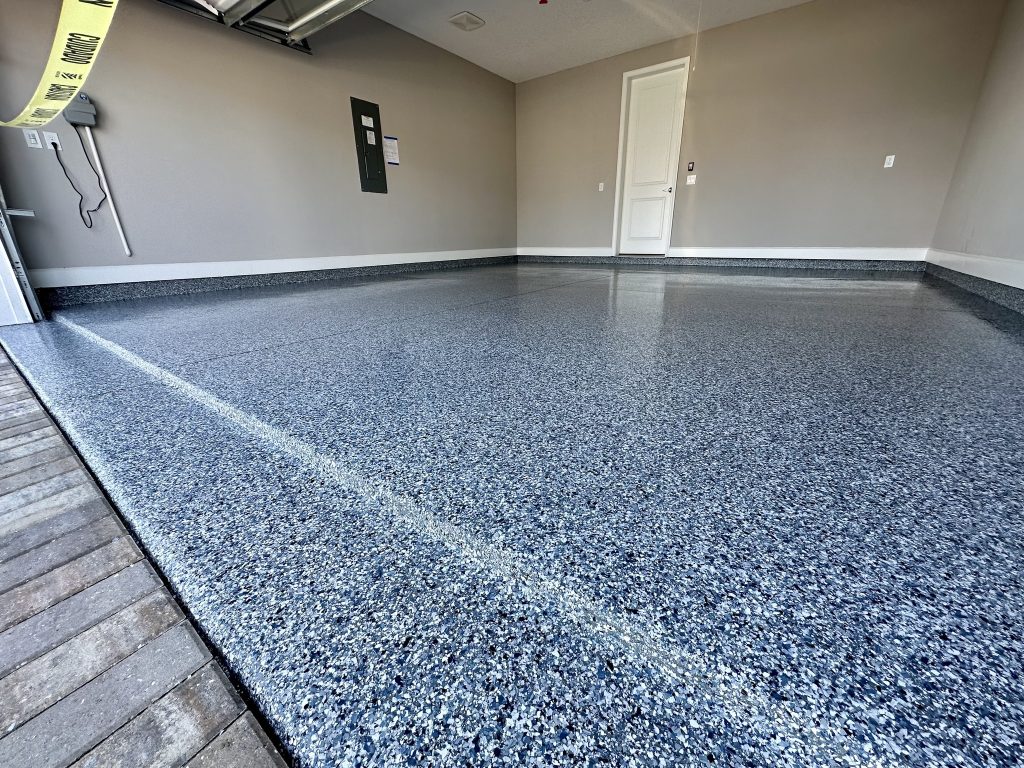
Bare concrete can handle substantial use, but years of vehicle traffic, moisture, stains, tools, outdoor exposure, and everyday wear can leave the surface looking tired or difficult to maintain. Concrete Coating gives property owners a way to protect and refresh existing slabs while creating a finished surface better suited to garages, patios, driveways, commercial spaces, and other high-use areas. Concrete Art LLC provides concrete flooring and surface services for residential and commercial properties across Central Illinois.
A coating project should begin with the slab itself rather than with a color or decorative pattern. Existing paint, old sealers, cracks, oil contamination, moisture, surface damage, and previous repairs can all affect preparation. Property owners should also consider how the area is used, whether it gets wet, the amount of foot or vehicle traffic it receives, and how much routine maintenance they realistically want. Evaluating those conditions first helps create a coating plan that supports both appearance and everyday performance.
Start With the Condition of the Existing Concrete
The company’s dedicated Concrete Coating service is designed for residential, commercial, and industrial concrete surfaces, including garages, patios, driveways, warehouses, and other high-use areas.
Before any material is applied, the concrete should be checked for contaminants, deterioration, previous coatings, cracks, uneven sections, and moisture-related concerns. A slab that looks reasonably clean from a distance may still contain oil, sealers, paint residue, or weak surface material that can interfere with the new system.
The preparation method should match what is actually present. That may mean removing an old coating, cleaning contaminated areas, mechanically preparing the concrete, or addressing localized damage first.
Treating preparation as part of the finished flooring system is important because once the coating is installed, the work underneath will no longer be visible.
Surface Preparation Is More Important Than Color Selection
Property owners often spend the most time comparing colors and finishes, but adhesion depends heavily on what happens before those decorative decisions become visible.
Concrete is porous and can collect oil, dirt, chemicals, and other materials over time. Surface contamination can affect how consistently a coating bonds. Previous paint or sealer can create another barrier if it is not compatible with the new system.
Mechanical preparation can help create a surface profile suitable for the planned coating. The exact process depends on slab condition and the materials already present.
Property owners considering concrete coating in Chatham, IL should evaluate preparation needs before finalizing decorative details. A strong visual finish cannot compensate for a slab that was not properly prepared.
Moisture Should Be Investigated Before Installation
Concrete can interact with moisture even when the top looks dry.
Basements, garages, patios, and ground-level slabs may encounter moisture from several sources. Exterior drainage, groundwater conditions, plumbing leaks, rainwater, or condensation can all influence the environment around concrete.
Persistent dark spots, white mineral deposits, dampness, or failure of an older coating can indicate that moisture deserves closer attention.
A coating should not simply be used to hide an active water problem. If runoff is entering a garage or a basement has recurring moisture, that source should be investigated separately.
Understanding moisture conditions before coating helps property owners avoid confusing a building or drainage problem with a flooring problem.
Choose the Finish Around the Way the Surface Is Used
A garage, patio, retail space, and warehouse do not experience the same type of traffic.
Garages deal with vehicle tires, road grit, tools, storage equipment, and occasional automotive fluids. Patios face rain, dirt, furniture, and outdoor debris. Commercial floors may experience carts, frequent foot traffic, or repeated cleaning.
The coating system and texture should reflect those conditions.
The service page describes both decorative and functional coating options, including smooth and textured finishes. Property owners should think about appearance, traction, cleaning requirements, and exposure together instead of selecting a finish based only on a sample.
A finish that looks ideal in a small showroom sample should still make sense when applied across the full surface and exposed to normal daily activity.
Cracks Need Realistic Expectations
Concrete develops cracks for different reasons, and coatings should not be treated as structural repair materials.
Small stable cracks may be addressed during preparation, while larger or changing cracks may point to movement that deserves further evaluation. Filling a visible crack does not necessarily prevent future slab movement.
Property owners should mention whether cracks have changed over time or whether they appear near areas with settlement or water problems.
Pitting, spalling, and chipped sections should also be reviewed before installation. Weak concrete underneath a new coating can still affect the performance of the finished surface.
The goal is to create the best possible base while maintaining realistic expectations about what a surface coating can and cannot correct.
Traction Matters in Areas That Get Wet
Garages, patios, entry areas, and some commercial spaces can become wet during normal use.
Rainwater, wet tires, cleaning water, spills, and outdoor moisture can change how a floor feels underfoot. This makes surface texture an important planning consideration.
A smooth finish may provide the visual appearance a property owner wants, while a textured option may be more appropriate where wet conditions occur frequently.
Texture and cleaning should be balanced. A heavily textured surface can hold more dirt, while an extremely smooth finish may not suit every environment.
Discussing expected use before installation helps match the surface to real conditions rather than trying to correct traction concerns afterward.
Coordinate Coating With Other Property Improvements
Concrete coating is often one stage of a broader garage, patio, basement, or commercial renovation.
Wall painting, cabinetry, lighting, electrical work, shelving, landscaping, and construction can all affect the order in which the project should be completed.
Dust-producing or heavy construction is generally easier to finish before the final floor coating. Large cabinets, machinery, or storage systems should also be coordinated so they are not moved across a newly finished surface too early.
Concrete Art LLC provides several concrete finishing services, so reviewing the complete improvement plan before coating begins can help reduce conflicts between flooring work and other contractors.
Good sequencing also gives the coating area enough time to remain clear during preparation and curing.
Plan Around Curing and Return to Normal Use
A newly coated surface may look finished before it is ready for normal traffic.
Different coating systems have different curing requirements, and conditions such as temperature, humidity, and project scope can affect the process. Foot traffic, furniture, equipment, and vehicles may need to remain off the surface for different periods.
Property owners should make alternative parking or storage plans before work begins.
For businesses, curing time may also affect customer or employee access. Planning sections or temporary routes can help reduce operational disruption.
Following the recommended return-to-use guidance helps avoid placing heavy loads on the surface before the coating system has reached the appropriate stage.
Cleaning Should Match the Installed Surface
One reason property owners choose coated concrete is to make routine maintenance easier, but the floor still requires basic care.
Loose dirt, sand, and grit should be removed before they are repeatedly dragged across the surface. Spills are usually easier to manage when cleaned promptly instead of being allowed to remain.
Cleaning products should be appropriate for the installed coating. Very aggressive chemicals or abrasive tools may not be necessary and can affect some finishes.
Outdoor surfaces may collect pollen, leaves, soil, and weather residue. Garages may need more attention around tire paths and work areas.
A simple, consistent cleaning routine is generally more practical than waiting until the surface becomes heavily soiled.
Watch High-Traffic Areas for Early Wear
Not every part of a coated floor receives equal use.
Garage tire paths, shop entrances, warehouse aisles, patio doorways, and frequently used walkways may show changes sooner than surrounding areas.
Property owners should periodically look for chips, scratches, worn sections, or changes around repaired concrete. Catching localized damage early can make it easier to evaluate before a larger section becomes affected.
Dragging heavy metal objects across the surface should be avoided when possible. Furniture pads, carts, or careful lifting can reduce unnecessary scratching.
For property owners planning protective concrete coatings in Jacksonville, IL, thinking about the highest-traffic areas before installation can help guide finish and maintenance decisions.
Consider Indoor and Outdoor Conditions Separately
A coating used inside a garage or commercial room may experience different conditions from one installed on a patio or driveway.
Interior spaces can have more controlled temperatures but may deal with chemicals, equipment, and concentrated traffic. Outdoor areas face sunlight, rain, temperature changes, dirt, and drainage.
The existing slab may also react differently depending on exposure.
Drainage deserves particular attention outdoors. A coating cannot correct poor grading or a low area where water consistently collects. Those conditions should be addressed independently.
Matching the coating approach to the actual environment can help property owners avoid treating every concrete surface as though it has the same needs.
Conclusion
Concrete Coating can protect and refresh worn slabs while creating a more finished surface for garages, patios, driveways, commercial spaces, and other high-use areas. Good results depend on much more than selecting a color. Surface preparation, moisture, cracks, contamination, texture, curing, cleaning, and everyday traffic all influence the project.
In Chatham, property owners should begin by evaluating the existing concrete and identifying how the surface is actually used. In Jacksonville, the same approach can help determine whether preparation, traction, moisture control, or other site conditions deserve additional attention before installation.
Concrete Art LLC provides concrete coating alongside polishing, sealing, and epoxy flooring services. Starting with the slab condition and planning around real property use can help create a coating project that is easier to maintain and better suited to long-term daily activity.
Frequently Asked Questions
What types of surfaces can Concrete Coating be used on?
The company’s service page identifies applications including garages, patios, driveways, warehouses, commercial floors, and other residential or industrial concrete surfaces. Suitability depends on the slab condition and intended use.
Why is surface preparation necessary before coating concrete?
Old coatings, dirt, oil, weak concrete, sealers, and other contaminants can interfere with adhesion. Proper preparation creates a more suitable surface for the new coating system.
Can Concrete Coating fix cracks permanently?
No. Some stable cracks can be addressed during preparation, but a coating should not be considered a structural repair for concrete that continues to move or settle.
Should moisture be checked before applying a coating?
Yes. Persistent moisture, drainage problems, leaks, or vapor movement can affect concrete and should be evaluated before a new surface system is installed.
How should a coated concrete floor be cleaned?
Remove loose grit regularly, clean spills promptly, and use products appropriate for the installed finish. Avoid unnecessarily harsh chemicals or abrasive cleaning methods.
How soon can a coated floor return to normal use?
Return-to-use time depends on the coating system, environmental conditions, and project details. Follow the installer and product guidance before allowing heavy traffic, vehicles, furniture, or equipment back onto the surface.