Protect Aging Concrete With Sealing in Rochester, IL
Protect worn concrete with sealing in Rochester, IL. Learn about moisture, stains, surface prep, traction, curing, and long-term concrete maintenance tips.
Concrete around a home or commercial property handles constant exposure to foot traffic, vehicles, dirt, moisture, seasonal weather, and everyday spills. Over time, an untreated surface may become harder to clean, develop darker stains, or show more visible signs of wear. Sealing provides a protective surface treatment that can help make concrete easier to maintain while preserving its existing appearance. Concrete Art LLC provides concrete finishing services for residential and commercial properties throughout Central Illinois.
A successful sealing project begins with understanding the slab rather than immediately applying a product. Driveways, patios, garage floors, walkways, basements, and commercial surfaces all experience different conditions. Existing coatings, moisture, cracks, contaminants, weather exposure, and traffic levels can influence how the concrete should be prepared. Reviewing those details before work begins helps property owners choose an approach that fits the actual surface and its everyday use.
Evaluate the Concrete Before Applying a Sealer
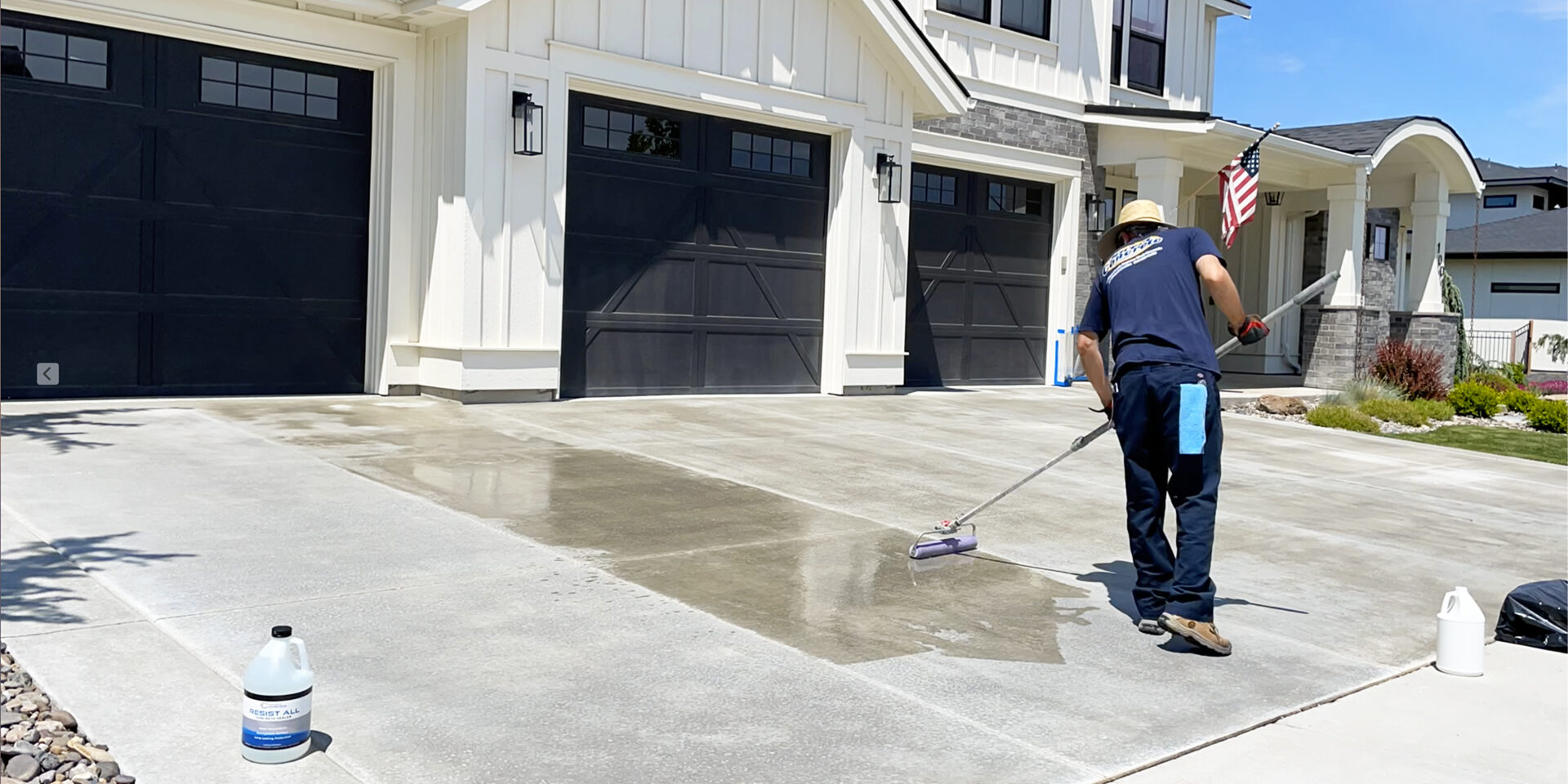
The company’s dedicated Concrete Sealing service is designed for concrete surfaces that need added protection from moisture, staining, routine traffic, and environmental exposure.
The first step should be checking the slab for existing coatings, oil stains, surface deterioration, cracks, discoloration, or areas that stay damp longer than surrounding sections.
An outdoor driveway has different needs from an interior basement floor. A commercial walkway may receive considerably more foot traffic than a residential patio.
Identifying those differences before preparation allows the sealing process to be matched to the property instead of treating every concrete slab the same way.
Prepare the Surface Before Sealing
Concrete needs a clean and suitable surface before a sealer is applied.
Dust, dirt, oil, grease, old treatments, and other contaminants can affect the finished result. Ordinary washing may improve appearance without fully preparing concrete that has absorbed automotive fluids or other materials.
Property owners should point out known spill areas and sections that have previously received paint, sealer, or another coating.
Surface preparation can also reveal imperfections that were difficult to see while the concrete was dirty.
This stage deserves careful attention because once the sealer is applied, underlying contamination or preparation problems may become more difficult to address.
Review Moisture Conditions Carefully
Moisture is especially important when preparing concrete.
Outdoor slabs regularly encounter rain and snow, while garages receive water from vehicles and cleaning. Basements can experience entirely different moisture conditions depending on drainage and the surrounding property.
A consistently damp area should be investigated before it is sealed.
Homeowners planning concrete sealing in Rochester, IL should pay attention to sections that remain darker after surrounding concrete has dried.
Sealing should not be used as a substitute for correcting plumbing leaks, poor drainage, or another active water source. Resolving those conditions first provides a better foundation for the concrete treatment itself.
Treat Stains According to Their Source
Not every concrete stain behaves the same way.
Driveways and garage floors may contain motor oil, grease, tire residue, rust, or other automotive contamination. Patios can collect food stains, plant residue, dirt, and marks from outdoor furniture.
Knowing what caused the stain can help determine the appropriate preparation method.
Older contamination may have penetrated deeper into porous concrete than newer surface marks.
Property owners should also maintain realistic expectations. A protective sealer can make future cleaning easier, but it may not erase every permanent color difference that already exists within an older slab.
Inspect Cracks Before Finishing the Surface
Concrete commonly develops cracks, but they should still be reviewed before sealing.
Small stable cracks may require a different response from wider openings or areas that appear to be moving. A sealer is intended to protect the surface; it is not a structural repair for unstable concrete.
Homeowners should note whether a crack has changed noticeably over time or whether one side sits higher than the other.
Pitting, chipped edges, and deteriorated sections also deserve attention during preparation.
Evaluating these conditions first helps property owners understand which issues belong to the sealing project and which may require separate concrete repair.
Match the Treatment to the Area
Different concrete surfaces face different types of use.
A driveway needs to accommodate vehicles and outdoor weather. A garage floor handles tires, storage, tools, and occasional spills. A patio faces furniture movement, rain, landscaping debris, and regular foot traffic.
Commercial concrete may experience repeated traffic throughout the day.
Because of these differences, property owners should describe how the area is used before the final sealing approach is selected.
The best treatment should support the practical needs of the surface as well as its appearance.
Consider How the Finished Concrete Should Look
Concrete sealing can influence the appearance of a slab.
Some property owners want a natural-looking finish, while others prefer a surface that gives existing color and texture more visual depth.
Older concrete may contain repairs, variations, or discoloration that remain visible after sealing.
This should be considered before the project begins, particularly when separate concrete sections were poured at different times.
Looking at the complete space—rather than focusing on a small sample—can help homeowners choose a finish that works with nearby flooring, landscaping, walls, or exterior materials.
Think About Traction Around Wet Surfaces
Driveways, patios, walkways, and garage floors may regularly become wet.
Rain, snow, irrigation, cleaning water, and vehicle moisture can all affect how a surface feels underfoot.
Traction should therefore be part of the planning process when a sealer is selected.
Property owners should consider who normally uses the area, whether it contains stairs or slopes, and how frequently moisture reaches the concrete.
A finish should balance appearance with practical daily use.
Discussing these conditions before treatment is easier than trying to modify the surface after the project has been completed.
Coordinate Outdoor Work With Weather Conditions
Exterior concrete projects need suitable weather conditions.
Rain, temperature, surface moisture, and curing requirements can affect project scheduling. The concrete may also need sufficient drying time after cleaning before another stage can begin.
Homeowners should avoid scheduling major deliveries, landscaping work, or outdoor events that depend on immediate access to the treated area.
Weather delays can occasionally be more practical than applying a surface treatment under unsuitable conditions.
Allowing the project to follow the product and installation requirements helps protect the work during its most vulnerable early period.
Plan Around Curing Time
A sealed surface may look finished before it is ready for full use.
Foot traffic, furniture, vehicles, and equipment can place very different demands on recently treated concrete.
Property owners should follow the project-specific curing instructions rather than deciding the surface is ready simply because it appears dry.
For driveway projects, alternate parking should be arranged in advance. Patio furniture and heavy outdoor items may also need to remain elsewhere temporarily.
Planning around curing time reduces the chance of creating marks or unnecessary wear immediately after the protective treatment is applied.
Coordinate Sealing With Other Improvements
Concrete sealing is often one part of a larger project.
A garage may also be receiving cabinets, wall paint, or electrical improvements. A patio might be included in landscaping or exterior renovation. Commercial areas may have equipment installation or construction planned nearby.
Whenever possible, dusty or heavy work should be completed before the final concrete treatment.
Dragging construction materials or equipment across newly finished concrete can create avoidable wear.
Thinking about project order beforehand makes it easier to protect both the concrete and the other improvements being completed around it.
Maintain Sealed Concrete With Simple Cleaning
Sealed concrete still requires regular care.
Loose dirt, sand, and grit should be removed before repeated traffic grinds them across the surface. Automotive or household spills should also be addressed reasonably quickly.
Cleaning products should be appropriate for the installed treatment.
More aggressive chemicals are not automatically better and may not be suitable for every surface.
A routine of sweeping, light cleaning, and occasional inspection is generally easier than allowing dirt and staining to accumulate for long periods.
The goal is to support the protective treatment rather than relying on it to eliminate all future maintenance.
Monitor Areas With the Most Traffic
Concrete surfaces rarely wear evenly.
Driveway tire paths, garage entrances, commercial doorways, patio walkways, and other frequently used sections experience more repeated contact than surrounding concrete.
These areas are useful places to watch during routine cleaning.
Changes in appearance do not necessarily mean the complete surface needs immediate treatment again. They can simply indicate where everyday wear is developing first.
Monitoring those patterns helps property owners plan maintenance based on actual conditions rather than following one fixed schedule for every part of the slab.
Plan Taylorville Projects Around Real Surface Use
A successful concrete project should reflect how the property functions every day.
A driveway used by several vehicles has different priorities from a lightly used patio. A commercial floor may face repeated foot traffic, carts, cleaning, and other demands that do not apply to residential concrete.
Property owners considering protective concrete sealing in Taylorville, IL should discuss traffic, moisture exposure, staining, and maintenance expectations before the project begins.
Concrete Art LLC provides several finishing options, so evaluating the actual use of the surface can help determine whether sealing fits the condition and goals of the property.
Conclusion
Concrete Sealing can provide an added layer of protection for driveways, patios, walkways, garage floors, commercial areas, and other concrete surfaces exposed to moisture, staining, traffic, and seasonal conditions.
In Rochester, property owners should begin by evaluating existing stains, moisture, cracks, and previous surface treatments before choosing a sealer. In Taylorville, the same approach can help residential and commercial owners match the treatment to traffic levels, weather exposure, and realistic maintenance needs.
Concrete Art LLC provides concrete sealing alongside polishing, coatings, and epoxy flooring services. Careful preparation, appropriate curing, and routine cleaning can help property owners maintain treated concrete while preserving a cleaner and more finished appearance.
Frequently Asked Questions
What is the main purpose of Concrete Sealing?
Concrete sealing adds a protective surface treatment that can help reduce exposure to moisture, stains, environmental conditions, and routine wear while making many concrete areas easier to maintain.
Should stains be cleaned before concrete is sealed?
Yes. Oil, dirt, grease, rust, and other contaminants should be evaluated and properly cleaned before sealing so they do not interfere with preparation or remain unnecessarily trapped beneath the treatment.
Can Concrete Sealing repair structural cracks?
No. A sealer protects the concrete surface but does not repair structural movement or unstable slabs. Significant cracks or settlement should be evaluated separately.
Is Concrete Sealing suitable for outdoor surfaces?
Yes. Driveways, patios, walkways, and other exterior concrete can be candidates for sealing when the slab condition and planned treatment are appropriate for outdoor exposure.
How soon can sealed concrete be used?
Return-to-use time depends on the sealer, surface conditions, weather, and project requirements. Follow the specific curing guidance before placing vehicles, furniture, or heavy equipment on the surface.
How should sealed concrete be maintained?
Remove dirt and grit regularly, clean spills promptly, use products suitable for the installed treatment, and monitor high-traffic areas for changes that may indicate future maintenance needs.