Decorative Concrete Polishing in Springfield, IL: A Homeowner’s Guide
Transform dull floors into stunning surfaces with decorative concrete polishing in Springfield, IL. Learn what locals should know before starting.
Walking into a Springfield home with a dull, stained garage floor or a lifeless basement surface, many homeowners wonder if replacement is their only option. Decorative concrete polishing offers a smarter path — one that revives existing concrete without the mess and expense of tearing it out. At Concrete Art LLC, we’ve spent years helping central Illinois property owners discover what their floors can actually become.
What Decorative Concrete Polishing Actually Does
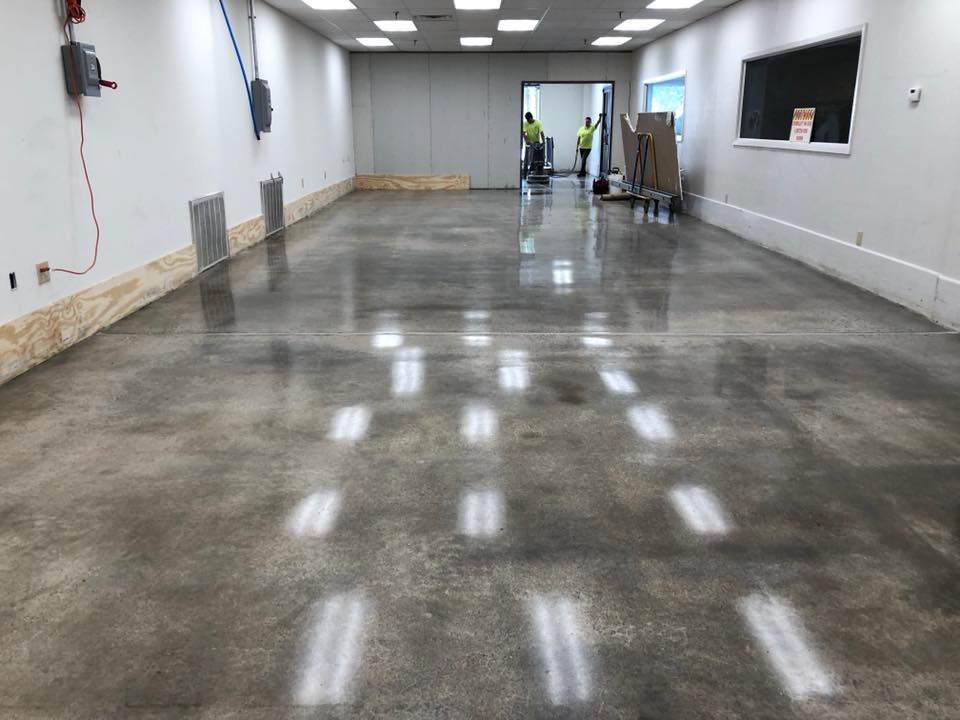
Decorative concrete polishing is a mechanical process that grinds down existing concrete surfaces and progressively refines them with finer abrasives. The result is a smooth, glossy finish that reflects light and resists stains. In Springfield, IL, we’ve noticed that most homeowners are surprised to learn their twenty-year-old garage slab can look like a showroom floor without a single piece of material being hauled to the landfill.
The process works on interior floors, basements, retail spaces, and even some covered exterior areas. A professional decorative concrete polishing contractor evaluates slab condition first — checking for cracks, previous coatings, or moisture issues that need addressing before the polishing begins. Surface hardness, aggregate exposure preferences, and desired sheen level all factor into the plan.
Springfield’s seasonal freeze-thaw cycles make polished concrete particularly practical. The dense, sealed surface repels the salt and moisture that destroy ordinary floors during Illinois winters. Unlike epoxy coatings that can peel or yellow over time, a properly polished floor becomes part of the concrete itself.
The Real Challenge Springfield Homeowners Face
Concrete in Springfield deals with something many generic articles ignore: our clay-heavy soil and shifting foundations. These conditions create micro-movements that stress rigid floor coatings. A client in Springfield, IL reached out when they noticed hairline cracks spreading across their basement floor two years after an epoxy installation. The coating was trapping moisture underneath, and the rigid film had no flexibility when the slab shifted slightly during a wet spring.
This is the objection competitors typically avoid addressing: will polished concrete crack too? The honest answer is that polished concrete doesn’t prevent cracking — but it doesn’t hide or worsen it either. Small cracks remain visible, breathe naturally, and don’t trap water beneath a failing membrane. The floor continues performing even as the house settles, which is exactly what happens in older Springfield neighborhoods near Lake Springfield and the older east-side districts.
Professional decorative concrete polishing in Springfield, IL requires understanding these local soil conditions. A surface that looks perfect in Arizona might fail here if the installer doesn’t account for Illinois ground behavior.
How Concrete Art LLC Approaches It Differently
Most polishing contractors run the same equipment sequence regardless of location. Concrete Art LLC starts with a full moisture vapor transmission test and slab hardness assessment — critical steps many competitors skip to save time. Springfield’s humidity swings between sticky summers and dry winters create expansion and contraction patterns that affect how the concrete accepts densifiers and guards.
Our team uses lithium-based densifiers specifically suited to Midwest concrete chemistry rather than generic sodium silicate products. The difference matters after five Illinois winters. We’ve also developed a multi-step honing process that accounts for the quartz-rich aggregate common in central Illinois pours, which polishes differently than the limestone-heavy mixes found further south.
Trusted decorative concrete polishing in Springfield, IL means knowing when to recommend full mechanical polish versus a hybrid grind-and-seal approach for older slabs with extensive patching. Not every floor should receive the same treatment, and pushing a full polish on a compromised surface is a disservice. This competitor gap — honest assessment over upselling — is something we built our reputation on.
Practical Tips: What to Know Before You Decide
If you’re considering this service, start by evaluating your slab’s current condition. Working with clients in Springfield, IL, our team found that roughly one in three basement floors has a previous sealer or paint that must be fully removed before polishing can begin. That removal step adds time and cost, but skipping it guarantees failure.
Check your floor for existing cracks and decide whether you want them filled or left as character. Filled cracks are less noticeable but may telegraph through over time as the repair material ages differently than the surrounding concrete. Unfilled cracks add rustic texture but collect dust if not properly cleaned during the process.
One local market-specific tip: schedule your project for late spring through early fall. Springfield’s concrete suppliers adjust mix designs seasonally, and slabs poured during warmer months tend to polish more uniformly. Winter-poured floors sometimes contain accelerators that create slight color variations under high-gloss finishes.
Best decorative concrete polishing in Springfield, IL isn’t about finding the lowest bid — it’s about finding a contractor who explains these variables honestly before quoting a price.
Your Springfield Floor Deserves the Right Finish
A polished concrete floor should last decades, not years. The key is matching the right process to your specific slab, your budget, and how you actually use the space. Whether it’s a basement renovation, a commercial showroom, or a residential garage transformation, the goal is a surface that performs through every Springfield season. Concrete Art LLC brings decorative concrete polishing to Springfield, IL homeowners who want honest guidance and results that hold up long after the equipment leaves.
FAQs
How long does decorative concrete polishing take?
Most residential projects finish in two to four days depending on square footage and slab condition. Larger commercial spaces or floors requiring extensive coating removal may extend to a week. Downtime is minimal since no curing period is needed — you can walk on the floor immediately and resume normal use within 24 to 48 hours.
What does decorative concrete polishing cost in Springfield, IL?
Residential pricing typically ranges from $3 to $8 per square foot depending on aggregate exposure level, repairs needed, and final sheen. A basic garage polish with minimal prep sits at the lower end, while decorative staining with high-gloss mechanical finish pushes toward the higher range. We provide itemized quotes after an on-site assessment so you understand exactly what drives your price.
How do I know a polishing contractor is legitimate?
Ask for photos of completed local projects and references from Springfield-area clients. Verify they carry general liability and workers’ compensation insurance. A reputable contractor explains the full process, including potential challenges specific to your slab, rather than promising perfection before seeing the floor. Be wary of quotes that seem too low — proper equipment and diamond tooling are expensive, and cut-rate pricing usually means cut corners.
Can polished concrete be used with radiant heating?
Yes, and it performs exceptionally well. Polished concrete has excellent thermal mass, meaning it absorbs and slowly releases heat from radiant systems. The surface stays warm underfoot without the risk of coating delamination that plagues epoxy or vinyl systems over heated slabs. This pairing is increasingly popular in Springfield basement renovations.
Will my polished concrete floor be slippery?
The final gloss level determines slip resistance. A matte or satin finish offers excellent traction even when wet. High-gloss floors can be treated with anti-slip conditioners during the final guard application. For commercial kitchens, pool decks, or areas where water is common, we recommend a lower sheen or additional traction treatment for safety.