Concrete Polishing Services That Last in Springfield, IL
Enjoy durable, low-maintenance floors with concrete polishing services in Springfield, IL. Learn what matters before you choose a contractor.
Many property owners don’t think much about their concrete floors until stains become permanent, dust starts collecting, or the surface begins to look worn. At that stage, replacing the floor often seems like the only answer, even though it usually isn’t. Based on the experience shared by Concrete Art LLC, concrete polishing services can often restore existing concrete while improving durability, appearance, and long-term maintenance.
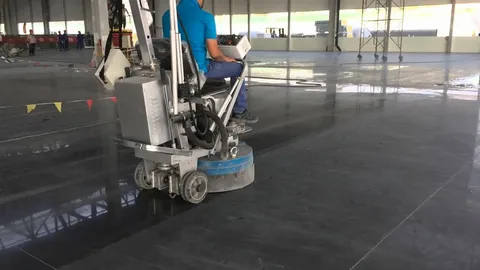
A polished concrete surface isn’t simply about making a floor shine. The process strengthens the slab by grinding away weak surface material, applying densifiers, and refining the finish with progressively finer abrasives. The result is a harder floor that resists wear and is much easier to maintain for years.
What Concrete Polishing Really Means for Springfield Properties
Concrete polishing is a mechanical process that transforms an ordinary slab into a durable finished surface. Instead of covering concrete with coatings that may peel or wear away, technicians improve the concrete itself.
The work generally includes:
- Surface inspection
- Crack and joint repair where needed
- Multiple grinding stages
- Concrete densifier application
- Progressive polishing
- Final protection treatment
The finished floor reflects light better, creates less dust, and requires less maintenance than untreated concrete.
In Springfield, IL, we’ve noticed that most homeowners assume old concrete must be replaced once it becomes dull or stained. In reality, many slabs still have excellent structural strength and simply need proper surface restoration.
Commercial buildings also benefit from polished finishes because they reduce maintenance costs over time. Retail stores, warehouses, offices, schools, and medical facilities often choose polished concrete floors because they hold up well under heavy foot traffic while remaining easy to clean.
Unlike surface coatings, polishing becomes part of the concrete itself. There is no layer waiting to peel, blister, or chip under normal use.
Another benefit many people overlook is improved indoor cleanliness. Since polished concrete creates less surface dust, it can help reduce the fine particles that often collect throughout a building.
For garages, workshops, and utility spaces, polished concrete also makes oil spots and dirt easier to remove compared with unfinished concrete.
The Real Challenge Property Owners Face in Springfield
Central Illinois experiences noticeable seasonal changes. Cold winters, humid summers, snow, road salt, and moisture can all affect concrete over time. Temperature swings cause expansion and contraction, while tracked-in grit slowly wears away untreated surfaces.
One concern that many articles never answer directly is this:
“Should I polish an older floor, or is replacement always the safer choice?”
The honest answer is that age alone doesn’t determine whether polishing is appropriate.
A structurally sound slab with cosmetic wear often responds very well to polishing. However, major settlement, severe cracking, or deep structural damage may require repairs before polishing begins. Skipping that inspection can lead to disappointing results.
A recent project in Springfield illustrates this well. A client contacted a contractor after years of believing their warehouse floor needed complete replacement because it looked uneven and heavily worn. After a detailed inspection, the slab proved structurally solid. Only localized crack repairs were necessary before polishing began. The completed floor looked dramatically different while avoiding the much higher cost and downtime of full replacement.
That kind of evaluation often saves owners thousands of dollars.
Another point rarely discussed is future maintenance costs. Many people compare only installation prices instead of calculating years of cleaning, waxing, recoating, or repair expenses associated with other flooring systems.
For industrial facilities, industrial concrete floor polishing also reduces dust created by heavy equipment traffic, making daily maintenance more manageable while helping preserve the surface under forklifts and pallet jacks.
How Concrete Art LLC Approaches the Process Differently
Every concrete slab tells a different story. Some have years of paint buildup, others have adhesive left behind from old flooring, while some simply suffer from surface wear caused by daily traffic. Rather than treating every project the same way, Concrete Art LLC begins by evaluating the slab’s condition before deciding how aggressive the grinding process should be.
A careful approach usually follows these steps:
- Inspect the concrete
- Check for moisture issues.
- Identify cracks, pits, or weak areas.
- Measure floor flatness where needed.
- Prepare the surface
- Remove old coatings, glue, or sealers.
- Repair joints and fill minor surface defects.
- Clean away contaminants that can interfere with polishing.
- Grind in multiple stages
- Start with coarse diamond tooling.
- Move gradually to finer grits.
- Keep grinding consistent to avoid visible swirl marks.
- Apply a densifier
- The densifier reacts with the concrete and hardens the surface.
- This step improves durability and helps reduce dusting.
- Refine the finish
- Continue polishing until the desired sheen is reached.
- Apply a stain guard where appropriate to improve resistance to spills.
One area many general articles skip is expectation management. Some people assume polishing will erase every crack, patch, or color variation. It won’t—and that’s actually part of its appeal. Polishing enhances the existing concrete instead of hiding it beneath another material. Small natural variations often give the floor character while preserving its strength.
Another detail competitors often overlook is matching the finish to the building’s purpose. A warehouse, showroom, office, and residential basement do not all benefit from the same level of gloss. Choosing the right finish affects maintenance, appearance, light reflection, and traction more than most people realize.
If a homeowner wants garage concrete polishing in Springfield, IL, the preparation stage becomes especially important. Oil stains, tire marks, and old coatings must be addressed before polishing starts, otherwise they may remain visible after the floor is finished.
Practical Tips Before Choosing a Concrete Polishing Contractor
Selecting the right contractor involves more than comparing estimates. Asking a few detailed questions can reveal how thoroughly a company plans each project.
Before making your decision, consider asking:
- Will the slab be inspected before providing a final recommendation?
- How will existing cracks and joints be repaired?
- What grit sequence will be used during polishing?
- Is a concrete densifier included in the process?
- What level of gloss is recommended for my type of building?
- How should the finished floor be maintained over time?
Working with clients in Springfield, our team found that many property owners focus almost entirely on the final shine while overlooking preparation. In reality, the quality of repairs, grinding, and surface hardening has a much greater effect on how the floor performs years later.
Another local consideration is scheduling. Springfield’s changing weather can influence moisture levels in concrete, particularly in older buildings. If excessive moisture is present, it should be evaluated before polishing begins to avoid future performance issues.
One final misconception deserves attention. Some people believe polished concrete becomes dangerously slippery. Dry polished concrete generally provides good traction because slip resistance depends on several factors, including cleanliness, contaminants, footwear, and surface condition—not simply how glossy the floor appears. Regular cleaning plays a significant role in maintaining safe walking conditions.
A Floor That Keeps Working for Years
Choosing the right finish isn’t just about appearance. A properly polished concrete floor can reduce maintenance, improve durability, and make everyday cleaning much easier when the existing slab is in good condition. If you’re considering affordable concrete polishing services for a home or commercial property in Springfield, IL, discussing the condition of your floor before work begins will help set realistic expectations and produce better long-term results. Concrete Art LLC encourages property owners to ask detailed questions, compare preparation methods, and choose an approach that fits both the building and its daily use.
FAQs
1. How much do concrete polishing services cost in Springfield, IL?
Pricing depends on several factors, including the floor’s size, condition, repair needs, desired gloss level, and whether old coatings must be removed. Floors requiring extensive crack repair or surface preparation generally cost more than newer slabs. Requesting an on-site evaluation is the most accurate way to receive a realistic estimate.
2. How do I know if a concrete polishing contractor is legitimate?
Start by checking business licensing, insurance coverage, project photos, and verified customer reviews. Ask about the equipment they use, their repair process, and whether they inspect the slab before providing recommendations. A reputable contractor should clearly explain each step instead of promising identical results for every floor.
3. Can an old concrete floor still be polished?
Yes, many older concrete floors are good candidates if the slab remains structurally sound. Cosmetic stains, minor surface wear, and light cracking can often be addressed during preparation. A professional inspection should always determine whether repairs are needed before polishing begins.
4. How long do polished concrete floors typically last?
With proper maintenance, polished concrete floors can last for decades because the finish becomes part of the concrete rather than sitting on top as a coating. Routine dust removal, damp mopping, and prompt cleanup of spills help preserve both the appearance and performance of the surface over time.
5. Is polished concrete a good choice for garages and commercial buildings?
Yes. Many homeowners appreciate its durability and easy maintenance, while businesses value its resistance to heavy foot traffic and equipment use. Depending on the building’s purpose, the finish can be adjusted to balance appearance, light reflection, and everyday practicality without requiring frequent refinishing.