Top-Rated Concrete Polishing in Rochester, IL That Lasts Longer
Get longer-lasting floors with expert concrete polishing in Rochester, IL. Learn what matters before you choose a contractor and make a confident decision. Concrete floors can look dull, collect dust, and show years of wear even when the slab itself is still in good condition. Many property owners assume replacement is the only answer, but concrete polishing often restores strength and appearance without tearing everything out. Drawing from the experience of Concrete Art LLC, this guide explains what property owners in Rochester, IL should know before planning a project and what separates lasting results from a finish that loses its shine too soon.
What Concrete Polishing Really Involves
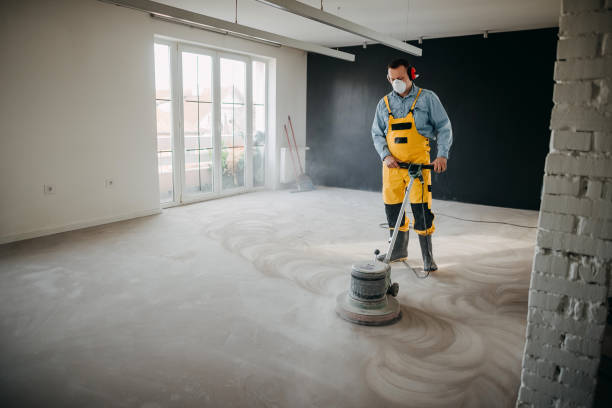
Concrete polishing is a multi-step mechanical process that refines an existing concrete slab instead of covering it with another flooring material. Professional crews gradually grind the surface using industrial diamond abrasives, repair small imperfections, apply a densifier that strengthens the concrete, and continue polishing until the desired level of sheen is achieved. The result is a dense, smooth surface that reflects light, resists dust, and requires less maintenance than many traditional flooring options.
Many homeowners choose top residential concrete polishing for basements, garages, workshops, and finished living spaces because it eliminates the need for waxes, coatings, or materials that eventually peel. Commercial buildings also benefit from polished concrete thanks to its durability under heavy foot traffic, carts, and equipment.
In Rochester, IL, we’ve noticed that most homeowners begin asking about polishing after seeing surface dust, tire marks in garages, or stained concrete that no longer responds to regular cleaning. In many cases, the slab itself remains structurally sound, making restoration a practical alternative to replacement.
A polished slab also improves light reflectivity, which can brighten large interior spaces without changing the building’s layout. During the process, contractors often repair minor cracks, fill small pits, and address surface imperfections before moving through progressively finer grinding stages. These preparation steps influence the final appearance just as much as the polishing itself.
Another point many people overlook is the condition of the existing concrete. Older slabs can contain previous sealers, adhesives from removed flooring, paint, or uneven patches. Proper surface preparation removes these materials so the finish develops evenly instead of showing dull spots after the work is complete.
The Real Challenge Property Owners Face in Rochester, IL
Central Illinois experiences seasonal temperature swings, changing humidity, and freeze-thaw cycles that affect concrete over time. Moisture movement through slabs, de-icing salts carried into garages, and years of expansion and contraction can leave surfaces with small cracks, staining, or uneven wear. These conditions don’t always require replacing the floor, but they do require careful evaluation before polishing begins.
A client in Rochester, IL reached out after removing old carpet from a basement renovation. The concrete underneath looked uneven, carried adhesive residue, and had several hairline cracks. After proper grinding, crack repair, and polishing, the slab produced a clean, uniform finish that became the finished floor instead of needing additional flooring materials.
One objection many contractors rarely address is whether polishing can hide every flaw. The honest answer is no. Existing aggregate patterns, repaired cracks, and natural color variations often remain visible because polishing enhances the concrete rather than covering it. For many property owners, these characteristics become part of the finished floor’s appearance rather than defects.
Another question that often goes unanswered is how long the project should wait after new concrete is poured. Fresh concrete needs adequate curing before polishing begins. Starting too early can limit the quality of the finish and reduce long-term durability. An experienced contractor evaluates moisture conditions, hardness, and curing progress before bringing in heavy grinding equipment.
Many people searching for best polished concrete floors focus only on gloss level, but durability starts much earlier in the process. The quality of crack repairs, edge work, densifier application, and dust-control practices all influence how the floor performs years after installation. These details are rarely visible once the project is complete, yet they often determine whether the floor maintains its appearance with routine maintenance or begins showing uneven wear sooner than expected.
How Concrete Art LLC Approaches the Process Differently
Every concrete slab tells a different story. Age, previous coatings, moisture exposure, and the original finishing methods all influence the final result. Rather than treating every project the same, Concrete Art LLC begins by evaluating the slab’s condition before selecting the grinding sequence, repair materials, and polishing level that fit the space.
One topic many articles skip is aggregate exposure. Some homeowners expect a uniform gray finish but discover decorative stone after grinding begins. Because aggregate sits at different depths within every slab, no contractor can promise an identical appearance without first assessing the concrete. Setting those expectations before work starts helps prevent surprises once the grinding process is underway.
Another detail generic guides rarely discuss is the importance of matching the polish to how the space will actually be used. A warehouse, retail showroom, basement, and residential living area each benefit from different gloss levels and maintenance plans. Chasing the highest possible shine is not always the right choice if traction, maintenance schedules, or heavy equipment are bigger priorities.
Projects that require the professional concrete polishing services in Rochester, IL also depend on quality dust collection systems, proper edge finishing, moisture testing, and experienced technicians who know when additional repairs should happen before polishing continues. Those behind-the-scenes decisions often have a greater effect on long-term performance than the final sheen that everyone notices first.
Practical Tips Before You Make Your Decision
Choosing a contractor should involve more than comparing estimates. Ask what equipment will be used, whether crack repairs are included, and how the slab will be inspected before grinding begins. A detailed explanation usually tells you more about the contractor than a low price alone.
Working with clients in Rochester, IL, our team found that many property owners underestimate how much the existing condition of the slab influences the finished appearance. Floors with old paint, carpet adhesive, oil stains, or uneven repairs often require additional preparation, and understanding that before work begins helps avoid unexpected costs.
It also helps to ask what level of maintenance will be needed after the project is finished. Unlike coated floors, polished concrete typically needs regular dust mopping and occasional wet cleaning with a neutral cleaner rather than frequent waxing or stripping. Following the recommended maintenance schedule helps preserve the surface for years.
If you’re comparing estimates, ask each contractor exactly what is included. Some proposals cover grinding only, while others include crack filling, joint repair, stain removal, densifier application, polishing passes, and protective treatments. Two quotes may look similar on paper while offering very different scopes of work.
Finally, don’t judge a polished floor immediately after installation lighting alone. Natural daylight, overhead fixtures, and the color of surrounding walls all affect how reflective the surface appears. Viewing completed projects in settings similar to your own can provide a much better idea of what to expect.
Choosing a Floor That Fits Rochester, IL Properties
A polished concrete floor is an investment in the concrete you already have rather than another layer that will eventually need replacement. Taking time to understand the condition of the slab, the preparation process, and long-term maintenance helps you make a more informed decision. If you’re considering Concrete Art LLC for concrete polishing in Rochester, IL, start with a thorough evaluation of your existing floor so the finished result matches both your expectations and the way the space is used.
FAQs
1. How much does concrete polishing cost in Rochester, IL?
Pricing depends on the size of the project, the condition of the slab, the amount of crack repair required, and the finish you want. Floors with adhesives, coatings, or significant surface damage generally require more preparation, increasing labor costs. A site inspection is the most accurate way to receive a realistic estimate.
2. How long do polished concrete floors last?
With proper installation and routine maintenance, polished concrete floors can last for decades. Their lifespan depends on foot traffic, cleaning habits, and the condition of the original slab. Unlike many floor coverings, the finish doesn’t peel because the shine comes from mechanically polishing the concrete itself.
3. How do I know if a concrete polishing contractor is legitimate?
Ask for proof of insurance, photos of completed projects, references from recent customers, and details about the equipment and repair process they use. A reputable contractor will explain what your floor can realistically achieve instead of promising that every crack or color variation will disappear.
4. Can older residential concrete polishing projects still produce good results?
Yes, many older slabs can be polished successfully if they remain structurally sound. Small cracks, minor surface imperfections, and old flooring adhesives can often be addressed during preparation. The final appearance depends on the existing concrete, so every project should begin with a careful evaluation.
5. How long does a concrete polishing project usually take?
Most residential projects take between two and five days, depending on floor size, repairs, moisture conditions, and the desired finish. Larger commercial spaces may require more time. Allowing each step to be completed properly produces a more durable surface and a more consistent appearance over the long term.