Expert Indoor Concrete Coating Services in Chatham, IL
Concrete floors inside garages, basements, workshops, and utility spaces handle constant foot traffic, moisture, spills, and abrasion. Therefore, choosing expert indoor concrete coating services can help protect these surfaces while creating a cleaner, more finished appearance. The quality of the result depends heavily on preparation, material selection, and proper application.
Homeowners should look beyond color when planning a coating project. Concrete condition, moisture levels, previous coatings, cracks, and intended room use all affect which system makes sense. A garage floor, for example, needs different performance characteristics than a lightly used basement.
Concrete Art LLC focuses on these practical details before a coating reaches the floor. Proper assessment helps reduce adhesion problems and gives homeowners a clearer understanding of what their concrete actually needs.
This guide explains surface preparation, coating choices, garage applications, maintenance, and other factors that influence long-term results in Chatham and surrounding Illinois communities.
Why Interior Concrete Floors Benefit From Professional Coatings
Bare concrete looks simple, but it remains porous. Liquids, dirt, automotive fluids, and everyday wear can gradually affect its appearance. A suitable coating creates a finished surface that is easier to maintain.
Protection Goes Beyond Appearance
Quality concrete floor coatings can improve resistance to stains, abrasion, and routine household wear. However, homeowners should choose the system according to the room rather than appearance alone.
Garage floors face vehicle traffic and chemicals. Basements may need greater attention to moisture conditions. Workshops, meanwhile, benefit from surfaces that tolerate repeated use.
Professional assessment also helps identify existing damage before coating begins. Small cracks, weak surface areas, or old sealers may interfere with adhesion.
A well-prepared coated floor can provide practical benefits while improving the overall look of an interior space. For that reason, surface condition should always guide the project.
Surface Preparation Determines Coating Performance
Even a high-quality material can fail when applied over poorly prepared concrete. Therefore, reliable indoor concrete coating services should begin with careful inspection and mechanical preparation when appropriate.
What Should Be Checked Before Application
Before coating begins, contractors should consider five important factors:
- Existing cracks or damaged concrete
- Oil, grease, paint, or previous sealers
- Moisture conditions within the slab
- Surface profile and overall porosity
- Intended use of the finished room
Professional preparation may include cleaning, grinding, crack repair, or removal of weak surface material. Concrete surface coating systems need a sound base so they can bond properly.
Additionally, moisture deserves attention. Applying a coating without understanding slab conditions may lead to bubbling, peeling, or poor adhesion later.
Concrete Art LLC evaluates the existing surface before determining the preparation approach. This step helps create more predictable results and prevents homeowners from relying on a coating to hide structural or moisture-related problems.
Choosing a Coating for Garages and Other Interior Spaces
Not every indoor concrete surface experiences the same type of use. A garage, for example, needs a coating that can handle tires, tools, vehicle fluids, and regular cleaning.
Match the Finish to the Way You Use the Room
Homeowners considering professional garage concrete coating should think about more than color. Practical selection depends on daily activity and desired maintenance.
Five useful considerations include:
- How often vehicles use the space
- Exposure to oil, chemicals, or water
- Desired texture and slip resistance
- Preferred finish and decorative style
- Expected cleaning routine
Some homeowners also compare coating systems with garage concrete polishing. Polishing changes and refines the existing concrete surface, while coatings add a protective layer over it. The better choice depends on the floor’s condition and the desired appearance.
Decorative flakes, varied finishes, and subtle textures can also make garage floors look more complete without making the space difficult to maintain.
Design Options Can Improve More Than Floor Protection
An interior coating does not need to look purely industrial. Modern systems can complement finished garages, basements, recreation rooms, and workspaces.
Color, Texture, and Finish Should Serve a Purpose
When choosing a finish, homeowners should consider lighting, room size, maintenance, and surrounding materials.
Five practical design decisions include:
- Select colors that suit the room’s lighting
- Use texture where additional traction is useful
- Consider decorative flakes for visual variation
- Choose a sheen that matches maintenance expectations
- Avoid overly complex designs that may quickly feel dated
Homeowners interested in decorative concrete polishing in Decatur, IL may prefer the character of exposed concrete. In contrast, coatings can provide broader control over color and surface texture.
The goal should be a floor that looks appropriate for the space while still serving its practical purpose.
Additionally, indoor systems differ from outdoor concrete coating applications because exterior surfaces face rain, sunlight, freeze-thaw cycles, and wider temperature changes. Therefore, coating selection should always match the actual environment.
Proper Application Helps Create Consistent Results
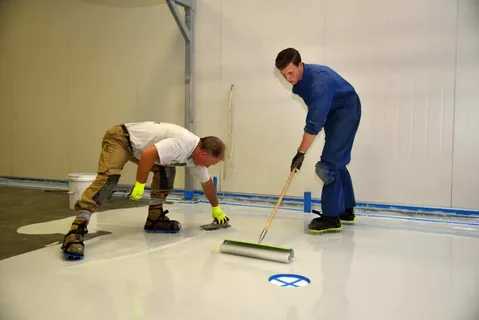
Once preparation is complete, application technique becomes equally important. Temperature, mixing, coverage rate, curing time, and coat thickness can all influence the finished surface.
Details That Should Not Be Rushed
A professional installation process should account for:
- Manufacturer application requirements
- Suitable indoor temperature conditions
- Consistent material mixing
- Proper coverage across the entire floor
- Adequate curing before normal use resumes
Choosing trusted indoor concrete coating services can help homeowners avoid common problems such as uneven coverage, visible roller marks, missed edges, or premature use.
The floor should also remain protected during curing. Walking, placing furniture, or parking vehicles too soon may affect the finish.
Contractors should provide realistic guidance about when the surface can return to light use and when it is ready for heavier activity.
For some floors, concrete sealing services may also be discussed as an alternative to a full coating system. Sealers and coatings serve different purposes, so the existing concrete and desired performance should determine the choice.
Maintaining a Coated Concrete Floor Over Time
A professionally coated floor still benefits from routine care. Fortunately, most maintenance is straightforward when homeowners respond quickly to spills and avoid unnecessarily harsh cleaning methods.
Simple Habits Help Preserve the Finish
Five useful maintenance practices include:
- Sweep loose grit and debris regularly
- Clean spills before they sit for extended periods
- Use cleaning products suitable for the coating
- Avoid dragging sharp or extremely heavy objects
- Inspect damaged areas before they become larger
Routine cleaning helps prevent abrasive dirt from building up. Moreover, catching minor damage early may make repairs easier.
Homeowners should also avoid assuming every mark indicates coating failure. Tire residue, surface dirt, and minor scuffs can often be cleaned without major work.
When evaluating professional indoor concrete coating services, ask what maintenance the selected system requires. Clear care instructions help homeowners protect the finished floor rather than guessing about cleaning products or methods.
Overall, the best maintenance plan is simple, consistent, and appropriate for the room’s level of use.
Conclusion
Indoor concrete coating works best when the project starts with the condition of the slab rather than the appearance of a sample board. Preparation, moisture, room use, coating type, curing, and maintenance all influence long-term performance.
For homeowners in Chatham, garages and basements often need surfaces that tolerate repeated traffic while remaining practical to clean. Therefore, selecting a coating should involve both visual preferences and realistic performance expectations.
Concrete Art LLC can evaluate the concrete, discuss preparation needs, and help homeowners understand which finish fits the space. The same approach applies when planning projects in nearby Decatur.
A homeowner may choose a decorative finish, a straightforward protective system, or another treatment based on how the room functions. For example, reliable concrete floor coatings in Chatham, IL can be useful where homeowners want a cleaner appearance combined with everyday surface protection.
Professional evaluation also helps identify situations where cracks, moisture, or existing coatings need attention first. Concrete Art LLC can then approach the project with a clearer understanding of the floor rather than covering problems that should be addressed beforehand.
Ultimately, a successful coating project combines sound preparation, suitable materials, careful installation, and practical maintenance.
FAQ’s
How long do indoor concrete coatings last?
Service life depends on the coating type, surface preparation, traffic, maintenance, and environmental conditions. Proper preparation usually plays a major role in durability.
Can a damaged concrete floor still be coated?
Often, yes. However, cracks, weak concrete, contamination, or moisture problems may need attention before applying the coating.
Are coated garage floors easy to clean?
Generally, coated floors are easier to clean than untreated porous concrete. Routine sweeping and suitable cleaners usually handle everyday maintenance.
How soon can I use the floor after coating?
Curing time varies by product and site conditions. Follow the contractor’s instructions before walking on the floor or returning vehicles and heavy items.
Can I choose different colors and decorative finishes?
Yes. Many coating systems offer several colors, textures, and decorative options. The best finish should balance appearance, traction, maintenance, and room use.