Long-Lasting Concrete Sealing Solutions in Chatham, IL
Concrete Sealing in Chatham, IL protects driveways, patios, garages, and walkways from moisture, stains, wear, and daily damage for long-term surface care.
Concrete may look solid and permanent, but an unprotected surface is constantly exposed to moisture, dirt, vehicle traffic, spills, weather, and everyday wear. Over time, these conditions can leave concrete looking stained, faded, dusty, or difficult to maintain. Concrete Art LLC provides professional flooring and surface solutions for residential and commercial properties throughout Central Illinois, including polishing, coatings, epoxy flooring, and Concrete Sealing. Sealing is a practical option for property owners who want to protect existing concrete without completely changing its natural appearance. For homes and businesses in Chatham, Jacksonville, and surrounding communities, the best results begin with evaluating the condition of the slab before any product is applied. Existing stains, cracks, moisture, previous coatings, and surface wear can all affect preparation. A properly planned sealing project helps create a cleaner, more protected surface while making routine maintenance easier for driveways, patios, walkways, garages, and other suitable concrete areas.
What Concrete Sealing Is Designed to Do
Professional Concrete Sealing applies a protective sealer over prepared concrete to help reduce the effects of moisture, stains, chemicals, and regular surface wear.
Concrete naturally contains pores that can absorb liquids and contaminants. When water, oil, dirt, or other materials repeatedly enter the surface, discoloration and deterioration can become more noticeable.
A sealer creates additional protection between the concrete and the conditions it faces every day.
The exact appearance depends on the product and project. Some sealers maintain a more natural look, while others may slightly enhance color or surface sheen.
The right choice should reflect the location, desired appearance, and expected traffic rather than selecting a product based only on how glossy it looks immediately after application.
Concrete Sealing in Chatham, IL
Homeowners considering concrete sealing in Chatham, IL can use professional sealing for driveways, patios, garages, basements, walkways, and other suitable concrete surfaces.
The Chatham service page supports sealing as part of the company’s concrete flooring and surface protection work.
Before sealing, the concrete should be reviewed for contamination and visible damage.
Oil spots on a driveway, old coatings in a garage, or embedded dirt on a patio may interfere with the finished result if they are not addressed first.
The surface also needs enough time to dry after cleaning.
Applying sealer over concrete that is not properly prepared can lead to uneven appearance or poor performance.
A careful preparation process creates a better foundation for the protective layer and helps the finished surface look more consistent.
Protective Concrete Sealing in Jacksonville, IL
Property owners looking for protective concrete sealing in Jacksonville, IL can use sealing to improve the durability and appearance of both residential and commercial concrete.
Jacksonville properties may have garage floors, patios, walkways, driveways, workshops, or business surfaces exposed to repeated traffic and changing weather.
The purpose of the space should influence the sealing approach.
A residential patio may prioritize a clean appearance and easier washing, while a driveway needs to handle vehicles, road debris, and outdoor exposure.
Commercial surfaces can experience more frequent foot traffic and may require a finish chosen around everyday operational use.
Understanding how the concrete is used helps the contractor recommend preparation and protection that fit the actual surface rather than treating every slab the same way.
Why Surface Preparation Comes First
The quality of a sealing project depends heavily on what happens before the sealer is applied.
Concrete may contain dust, dirt, grease, oil, previous sealers, coatings, or other contaminants that can prevent proper bonding.
Cleaning removes loose debris and surface contamination, while additional preparation may be needed when an older coating or stubborn material remains.
Cracks should also be evaluated.
Sealing can help protect suitable concrete from future exposure, but it does not repair structural movement or automatically eliminate existing slab damage.
Property owners should discuss visible cracking or deterioration before work begins.
Addressing these conditions separately helps prevent the sealer from being expected to solve a problem that requires another type of repair.
Driveway Sealing for Everyday Exposure
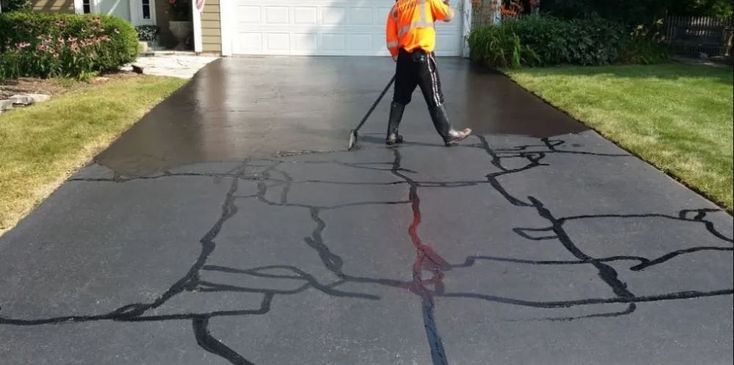
Driveways experience a demanding combination of vehicle traffic, dirt, rain, sunlight, and changing seasonal conditions.
Tires can carry road debris onto the concrete, while small automotive leaks may leave stains if liquids remain on an untreated surface.
Sealing can help make the driveway less absorbent and easier to maintain.
The surface should still be cleaned when spills occur.
A protective sealer reduces exposure but does not make concrete completely immune to every stain or type of damage.
Homeowners should also pay attention to drainage around the driveway.
Standing water caused by poor grading should be addressed separately because sealing does not change the slope of the concrete or redirect runoff.
Patio and Walkway Surface Protection
Patios and walkways face a different type of daily use.
Foot traffic, outdoor furniture, soil, leaves, food spills, and weather can gradually affect the appearance of exposed concrete.
A sealed surface can make routine cleaning simpler while helping protect against moisture and staining.
Outdoor areas may also benefit visually from a more finished appearance.
The selected sealer should match the look homeowners want for surrounding landscaping, exterior walls, pavers, or other nearby materials.
Slip conditions should also be considered where surfaces are frequently wet.
A contractor can discuss suitable finish options based on how the patio or walkway is used rather than focusing only on appearance.
Garage Floors Can Benefit From Added Protection
Garages often contain bare concrete exposed to vehicles, tools, storage systems, road dirt, and occasional spills.
Not every homeowner wants a full decorative epoxy system.
Concrete Sealing can provide another option for property owners who prefer to maintain more of the original concrete appearance while adding surface protection.
The garage should be evaluated carefully before application because older floors may contain oil or automotive contamination.
These areas need attention during preparation.
Storage cabinets, workbenches, and movable items should also be cleared when possible so the sealer can be applied consistently across the intended area.
Planning access before the project begins can reduce visible differences around obstacles.
Moisture Conditions Should Be Checked
Concrete can hold moisture even when the surface appears dry.
Basements, garages, outdoor slabs, and other areas can experience different moisture conditions depending on drainage, groundwater, humidity, and building design.
Property owners should mention recurring dampness or previous water problems before sealing.
A sealer should not be used to hide an active water issue.
If water regularly enters a basement, collects around a slab, or moves through cracks, the source should be investigated separately.
The surface needs to be suitable for the selected sealing system.
This helps reduce the chance of moisture-related problems appearing after the project is complete.
Choosing the Right Finish
Concrete sealers can create different finished appearances.
Some homeowners prefer a subtle finish that leaves the slab looking relatively natural.
Others may want slightly richer color or additional sheen.
The choice should fit the surrounding property.
A highly reflective driveway may create a very different visual effect from a natural-looking walkway.
Indoor and outdoor spaces can also require different considerations.
Homeowners should review sample finishes when possible and discuss how the surface may look under daylight, garage lighting, or interior fixtures.
Making this decision before application reduces surprises once the entire concrete area has been treated.
Concrete Sealing for Commercial Properties
Commercial concrete can experience heavier and more consistent use than many residential surfaces.
Retail walkways, workshops, offices, warehouses, and service areas may receive daily foot traffic, equipment movement, spills, or cleaning.
Sealing can help create a surface that is easier to maintain while supporting the existing concrete.
Businesses should explain how the area is used and whether operations need to continue during the project.
The contractor can then plan access and curing time around the work environment.
Certain spaces may need to be completed in sections if shutting down the entire area is not practical.
Planning these details before application helps reduce disruption.
Routine Maintenance After Sealing
A sealed floor or outdoor surface still requires normal care.
Loose dirt and abrasive debris should be removed regularly so they do not grind against the surface under foot or vehicle traffic.
Spills should be cleaned promptly instead of being left for long periods.
Property owners should also use cleaning products appropriate for the installed sealer.
Extremely harsh chemicals or abrasive cleaning methods may affect certain finishes.
Outdoor areas benefit from removing leaves, dirt, and standing debris before it builds up.
Simple maintenance habits help preserve the appearance of the concrete and make it easier to notice when high-traffic areas begin showing wear.
When Concrete May Need Resealing
Concrete sealers do not remain unchanged forever.
Traffic, sunlight, cleaning, weather, and everyday use gradually affect protective finishes.
The time between applications depends on the sealer, location, traffic level, surface preparation, and environmental exposure.
Instead of relying only on a fixed calendar, property owners can watch for changes in appearance and water behavior.
Areas that begin absorbing liquids more quickly or showing noticeably different wear from protected sections may deserve evaluation.
A contractor can determine whether cleaning and resealing are appropriate or whether additional preparation is needed before another application.
Sealing Versus Other Concrete Floor Options
Concrete Sealing is only one way to finish a concrete surface.
Polishing mechanically refines the concrete to create a smooth, more reflective surface.
Concrete coatings add another finished layer, while epoxy systems can create decorative and highly customized floors.
The best option depends on what the property owner wants to achieve.
Someone who likes the natural character of existing concrete may prefer sealing.
A homeowner wanting a decorative garage transformation may consider epoxy flooring instead.
Commercial properties seeking a polished interior look may explore concrete polishing.
Concrete Art LLC provides several of these services, allowing the existing slab and intended use to guide the flooring decision.
Choosing a Concrete Sealing Contractor
A contractor should evaluate the concrete before recommending a sealer.
Property owners can ask how the surface will be cleaned, whether existing coatings need removal, and how stains or cracks will be handled.
The contractor should also explain the expected appearance and when the area can return to normal use.
For exterior surfaces, discuss weather conditions and how they may affect scheduling.
For garages or commercial areas, confirm how long vehicles, equipment, or heavy traffic should remain off the surface.
Clear expectations help property owners understand both the preparation and the finished result.
Conclusion
Concrete Sealing can help protect driveways, patios, walkways, garages, and other suitable concrete surfaces from moisture, stains, daily wear, and regular exposure.
For properties in Chatham and Jacksonville, the strongest results begin with proper surface preparation and realistic expectations about what sealing can accomplish.
Cleaning, existing coatings, cracks, moisture conditions, traffic, and desired appearance should all be considered before application.
A protective sealer can make concrete easier to maintain while helping preserve its existing surface and appearance.
Concrete Art LLC provides sealing alongside polishing, coatings, and epoxy flooring, giving homeowners and businesses several options based on the condition and purpose of the concrete.
With careful preparation, the right finish, and routine maintenance, sealed concrete can remain cleaner, more protected, and better suited to everyday residential or commercial use.
Frequently Asked Questions
What is Concrete Sealing?
Concrete Sealing involves applying a protective sealer to prepared concrete to help reduce moisture absorption, staining, surface wear, and everyday exposure.
Where can Concrete Sealing be used?
Common applications include driveways, patios, walkways, garage floors, basements, commercial areas, and other suitable concrete surfaces.
Does concrete need to be cleaned before sealing?
Yes. Dirt, oil, grease, previous coatings, and other contamination should be addressed so the sealer can be applied to a properly prepared surface.
Can Concrete Sealing fix existing cracks?
No. Sealing protects the surface but does not repair structural movement or major concrete damage. Cracks should be evaluated separately before application.
How do I maintain sealed concrete?
Remove loose debris regularly, clean spills promptly, use appropriate cleaning products, and avoid unnecessary abrasive methods that may affect the finish.
How do I know when concrete needs resealing?
Changes in appearance, heavier wear, or increased liquid absorption can indicate that the existing protective layer should be evaluated for possible resealing.