Smart Epoxy Garage Floor Solutions in Springfield, IL
Plan an Epoxy Garage Floor in Springfield, IL with guidance on surface prep, coating, moisture, finish choices, cleaning, curing, and long-term floor care.
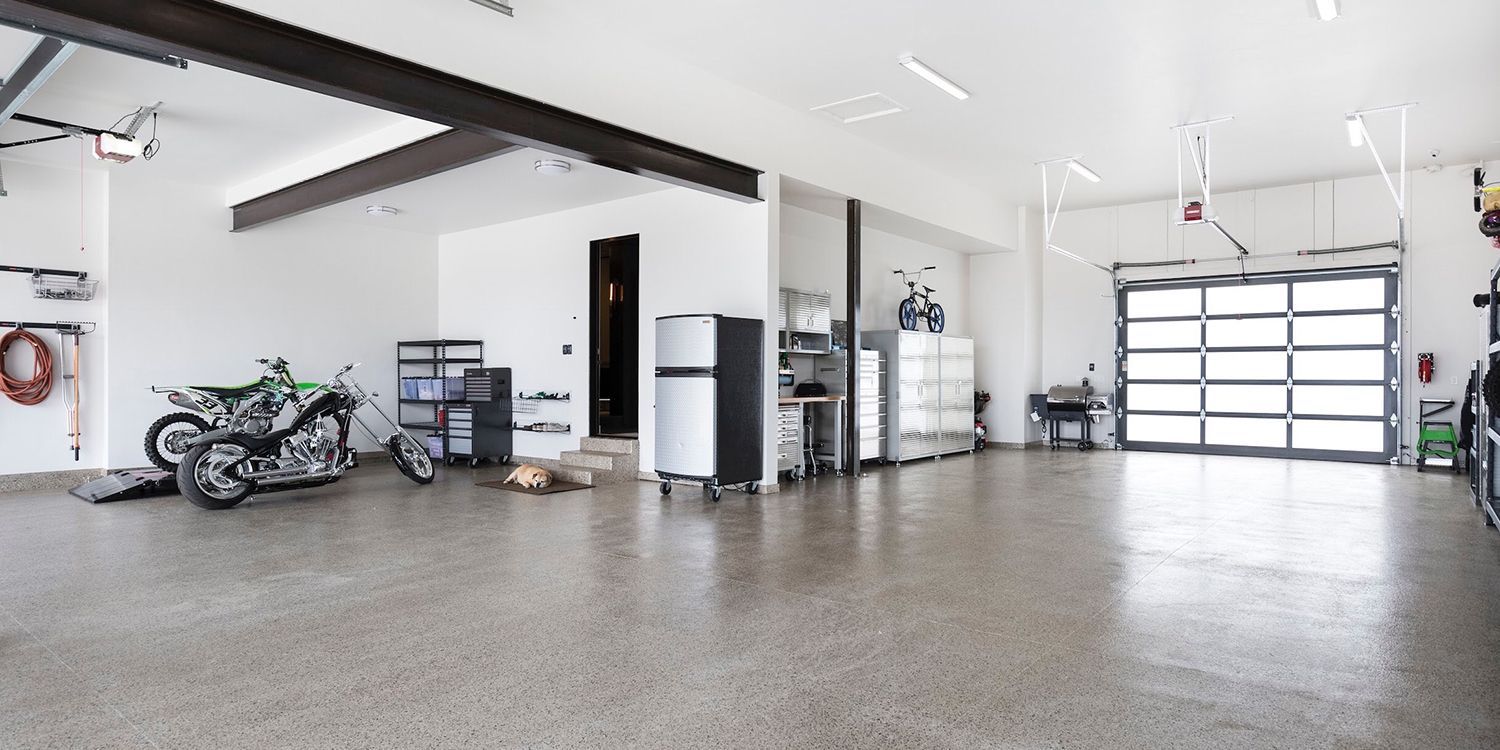
A garage floor deals with conditions that most interior surfaces never experience. Vehicle traffic, road debris, automotive fluids, storage equipment, tools, moisture, and repeated cleaning can leave untreated concrete stained, dusty, or difficult to maintain. An Epoxy Garage Floor can give the space a more finished appearance while adding a protective surface designed for regular garage use. Concrete Art LLC provides concrete flooring services for residential and commercial properties throughout its Central Illinois service areas.
Planning should begin with the concrete itself rather than choosing a color or decorative pattern first. Existing coatings, cracks, oil contamination, moisture, surface wear, and slab condition can all affect preparation. Homeowners should also think about how they use the garage. A space used only for parking may have different needs from a workshop, home gym, hobby area, or garage filled with storage equipment. Evaluating those conditions first helps create a coating plan that fits both the concrete and everyday use.
Start With the Existing Garage Floor
The company’s dedicated Epoxy Garage Floor service focuses on upgrading concrete garage surfaces with finishes designed to improve appearance, protection, and cleanability. The service page identifies options including solid colors, decorative flakes, and metallic finishes.
Before installation begins, the existing concrete should be inspected closely. Oil stains, tire marks, paint, old coatings, sealers, dirt, or damaged sections may require additional preparation. Even a garage that appears relatively clean can contain contaminants that affect how a new coating bonds.
This evaluation is also the right time to identify cracks, pitting, chipped areas, or sections that have experienced previous repairs. Understanding the condition of the entire slab helps determine how much preparation will be needed before the coating system is applied.
Surface Preparation Supports Better Adhesion
Preparation is one of the most important stages of an epoxy flooring project. Applying material over an improperly prepared floor can leave weak areas where the coating does not bond consistently.
Concrete may need to be mechanically prepared so the surface provides the appropriate profile for the new system. Dirt, weak surface material, old finishes, and contaminants should be addressed rather than trapped underneath.
Garages can be particularly challenging because oil and automotive fluids may penetrate porous concrete. A surface that looks clean after washing may still require additional treatment before coating.
For homeowners planning epoxy garage flooring in Springfield, IL, it makes sense to give preparation as much attention as the final decorative finish. Once the coating is installed, the preparation work will no longer be visible, but it can strongly influence the finished floor.
Cracks and Concrete Damage Need Evaluation
Concrete cracking can occur for several reasons, and not every crack indicates the same type of problem. Small stable cracks may require a different approach from wider cracks or areas showing ongoing movement.
Epoxy should not be viewed as a way to hide structural problems. Existing damage needs to be evaluated so appropriate repairs can be completed before the decorative coating is installed.
Pitted concrete, chipped edges, or worn areas should also be considered. If weak surface material remains beneath the coating, the finished system may only be as stable as the concrete supporting it.
Homeowners should discuss visible damage during the planning stage instead of assuming every imperfection will disappear automatically. A repaired surface may still show some variation depending on the condition of the original slab and the coating system selected.
Choose a Finish Around How the Garage Is Used
The right finish depends partly on what happens inside the garage every day. A family parking two vehicles may prioritize easy cleaning and a neutral appearance. Someone using the garage as a workshop may care more about hiding everyday dirt and creating a surface that is simple to maintain.
Decorative flakes can give the floor a varied pattern and may make ordinary dust or small debris less visually noticeable between cleanings. Solid-color systems offer a simpler appearance, while metallic designs create more dramatic visual movement.
Concrete Art LLC also shows different decorative epoxy options on its garage flooring service page. Homeowners should compare finishes under realistic lighting rather than making a decision from a small digital image alone.
The goal should be a floor that looks appropriate with garage cabinets, walls, storage systems, vehicles, and other permanent features.
Consider Traction and Wet Conditions
Garage floors can become wet from rain, melting snow, vehicle tires, washing, or outdoor moisture tracked inside. This makes traction worth discussing when choosing a coating system.
An extremely smooth floor may look attractive, but the expected use of the garage should guide decisions about texture. Areas where vehicles regularly bring in water may benefit from a finish selected with wet conditions in mind.
Texture and cleanability need to be balanced. A heavily textured surface may collect dirt more easily, while a very smooth finish can behave differently when wet.
Homeowners should explain how the garage is normally used before finalizing the system. Parking areas, work zones, entry paths, and frequently wet sections may not all have identical priorities.
Moisture Can Affect a Coating Project
Concrete can contain or transmit moisture even when the top surface appears dry. That is why moisture conditions may need to be considered before installing a new coating.
Signs such as persistent dampness, white deposits, darkened concrete, previous coating failure, or recurring moisture near walls deserve attention. The source may involve drainage, groundwater conditions, leaks, or another property issue.
A coating should not be expected to correct an unresolved water problem. If moisture is entering the garage because of poor exterior drainage or another building condition, addressing that source first may be necessary.
Illinois garages also experience seasonal changes that can bring water, snow residue, and road material onto the floor. Planning for those real conditions can help homeowners select a finish and maintenance routine suited to regular garage use.
Keep the Project Connected With Other Garage Improvements
Garage floor coating is often part of a larger improvement project. Homeowners may also be painting walls, installing cabinets, adding shelving, updating lighting, or reorganizing storage.
The order of work matters. Dusty construction, heavy equipment movement, wall repair, and painting may be easier to complete before the final floor system is installed.
Cabinets and permanent storage should also be considered when determining how much floor area will be coated. If equipment is being installed afterward, owners should understand how and when it can safely be placed on the finished surface.
Property owners considering garage floor improvements in Decatur, IL can benefit from planning the entire garage instead of treating the floor as an isolated project. Coordinating improvements can reduce unnecessary movement of heavy items across a newly finished coating.
Give the Coating Proper Time Before Heavy Use
An epoxy floor goes through application and curing stages before it is ready for normal garage activity. Homeowners should not assume that a surface that feels dry is immediately ready for vehicles, heavy cabinets, or equipment.
The appropriate return-to-service time depends on the materials used, temperature, project conditions, and coating system. Instructions provided for the specific installation should be followed.
Planning ahead makes this easier. Vehicles may need temporary parking elsewhere, while tools, storage boxes, lawn equipment, and other belongings need a place to remain during the project.
Avoiding premature traffic allows each stage of the system to develop as intended before the garage returns to everyday use.
Cleaning an Epoxy Garage Floor
A coated floor can be easier to clean than untreated porous concrete, but it still benefits from regular maintenance.
Loose dirt, sand, and small stones should be removed periodically because abrasive debris can be dragged across the surface by shoes, tires, or equipment. Automotive spills should be cleaned promptly rather than allowed to remain indefinitely.
Use cleaning methods appropriate for the installed system. Extremely abrasive tools or harsh chemicals should not automatically be used just because epoxy is considered a durable material.
Pay attention to areas beneath vehicles, workbenches, mats, and storage items. Dirt and moisture can collect in places that are not visible during normal sweeping.
Regular cleaning also gives homeowners an opportunity to notice changes in the surface before minor damage becomes easier to overlook.
Protect the Floor During Everyday Garage Use
Even durable garage flooring should be treated reasonably. Dragging heavy metal cabinets, machinery, or sharp objects across the surface can create unnecessary wear.
Use suitable protection when moving heavy equipment. Furniture pads, wheeled carts, or careful lifting can reduce scratching and impact damage.
If the garage is used for mechanical work, homeowners should also consider where chemicals, tools, jacks, and equipment are normally placed. Work mats or other appropriate protection may make sense in especially demanding areas.
The coating should be inspected occasionally for chips, scratches, or changes around repaired concrete. Addressing localized damage earlier may help prevent a small issue from spreading into a larger repair area.
Think About Appearance Beyond the First Day
A garage floor should still make visual sense after vehicles, shelves, cabinets, and tools are back in the room. This is why practical colors and patterns can sometimes work better than selecting a finish based only on a showroom sample.
Light colors may make a garage feel brighter but can show certain types of debris more readily. Darker floors can create a strong look but may interact differently with dust, lighting, and wall colors.
Decorative flakes can provide variation that works well in active spaces. Metallic systems create a more distinctive appearance and may suit homeowners who want the garage to feel like an extension of the finished areas of the home.
Concrete Art LLC offers epoxy alongside polishing, sealing, and other concrete flooring options, so homeowners can compare the condition and intended use of the slab before choosing a final approach.
Conclusion
An Epoxy Garage Floor can improve the appearance and everyday maintenance of a residential garage, but good results depend on more than choosing a decorative color. Concrete condition, preparation, cracks, moisture, traction, coating selection, curing, cleaning, and the way the garage is used should all be considered before installation.
In Springfield, homeowners can benefit from starting with a careful evaluation of the existing slab and planning the finish around vehicle traffic, storage, and seasonal moisture. In Decatur, the same approach can help determine what preparation and coating characteristics make sense for a garage used for parking, hobbies, or workshop activities.
Concrete Art LLC provides epoxy garage floor installation as part of its concrete flooring services. Focusing on proper preparation and realistic maintenance can help create a garage surface that remains practical and visually finished during regular use.
Frequently Asked Questions
What finish options are available for an Epoxy Garage Floor?
The company’s service page identifies solid colors, decorative flakes, and metallic finishes. The best choice depends on the desired appearance, garage use, cleaning preferences, lighting, and surrounding design features.
Why does a garage floor need preparation before epoxy is applied?
Concrete can contain dirt, oils, old coatings, weak material, and other contaminants that interfere with adhesion. Proper surface preparation creates a more suitable base for the coating system.
Can epoxy be applied over cracks in a garage floor?
Existing cracks should be evaluated and addressed before coating. Some can be repaired as part of surface preparation, but epoxy should not be considered a structural fix for ongoing slab movement.
How long should I wait before parking a vehicle on a new epoxy floor?
The required curing time depends on the specific coating system, temperature, and installation conditions. Follow the guidance provided for the installed materials before allowing vehicle traffic.
How should an epoxy garage floor be cleaned?
Remove loose grit regularly, clean spills promptly, and use cleaning products suitable for the installed coating. Avoid unnecessarily abrasive tools or harsh chemicals that could affect the finish.
Can an epoxy garage floor work in a garage used as a workshop?
Yes, epoxy garage flooring can be considered for workshops as well as parking areas. The expected tool use, equipment, chemical exposure, traffic, and traction requirements should be discussed before selecting the system.