Commercial Concrete Polishing in Rochester, IL
Durable, low-maintenance floors for your business. Concrete Art LLC provides commercial concrete polishing in Rochester, IL. Get a free quote today.
Your warehouse floor is dusting every time the forklift drives through, your retail space looks like it hasn’t been updated since the 1990s, and your maintenance crew is spending half their time scrubbing oil stains that never quite come out. You’ve looked at epoxy coatings, but the quotes are high and you’re not sure they’ll hold up to the salt and grime your trucks track in every winter. If you’re searching for commercial concrete polishing in Rochester, IL, you’re looking for a flooring solution that handles Illinois weather, industrial traffic, and daily wear without constant upkeep. Concrete Art LLC has been polishing floors for businesses in Sangamon County for years, and we know what Rochester’s climate does to concrete.
What Industrial Floor Polishing Actually Involves
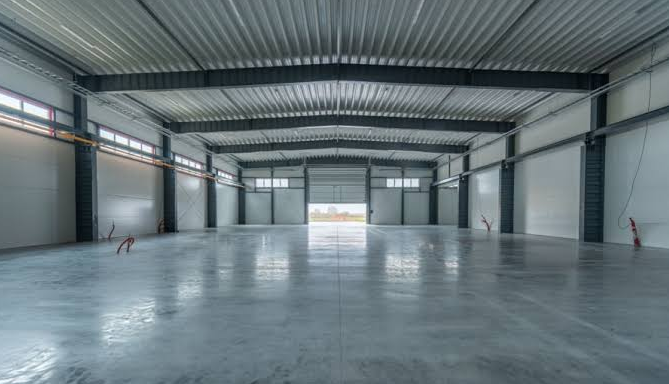
Industrial floor polishing is a mechanical process that transforms raw concrete into a hard, dense, and reflective surface through progressive diamond grinding and chemical densification. The process starts with coarse diamond grits—typically 30 to 50 grit—that remove surface imperfections, old coatings, and contaminants. Then comes progressively finer grits—100, 200, 400, 800, and up to 3,000 for a high-gloss finish—each step refining the surface and closing the concrete’s pores. A lithium silicate densifier is applied between grits to react with the concrete’s calcium hydroxide, creating a crystalline structure that hardens the surface from within. The result is a floor that resists abrasion, repels stains, and reflects light without any topical coating that can wear off or peel.
In Rochester, we’ve noticed that most business owners assume concrete polishing is just about making the floor shiny. The reality is more functional. Rochester sits in Sangamon County, just east of Springfield, with a humid continental climate that delivers long, hot summers and freezing, snowy winters. Summer temperatures regularly push past 90°F, with humidity that accelerates concrete curing and can affect densifier absorption. Winters bring temperatures below zero—Rochester hit -22°F in January 2011—and snowfall that averages over 50 inches annually, with road salt and magnesium chloride tracked into facilities daily. A proper polished concrete floor here needs to withstand thermal cycling, salt exposure, and heavy equipment without delaminating, dusting, or losing its finish. That requires correct grit progression, proper densifier application, and realistic expectations about gloss levels in a high-traffic, high-exposure environment.commercial concrete polishing
The Real Challenge Rochester Businesses Face
Rochester is a village of roughly 3,800 residents in Sangamon County, part of the Springfield metropolitan area with a combined population near 200,000. The local economy is anchored by state government, healthcare, manufacturing, and distribution—industries that operate warehouses, clinics, retail showrooms, and light industrial facilities where flooring takes a beating. Rochester’s position along Interstate 72 and its proximity to Springfield make it a logistics hub, with trucks bringing in road salt, gravel, and debris year-round.
A client in Rochester reached out when she noticed her distribution center floor was dusting so badly that her inventory was getting coated in concrete particles. She’d had the slab sealed with a topical acrylic two years earlier, but the sealant had worn off in the traffic lanes and the concrete was deteriorating faster than when it was bare. Concrete Art LLC assessed the slab and found it was a standard 4,000 PSI mix with no integral densifier, poured during a hot summer week that caused rapid surface curing and weak top-layer strength. We diamond-ground the surface to remove the deteriorated cream layer, applied lithium silicate densifier, and progressed through 400-grit to achieve a satin finish that met her budget. The dusting stopped immediately, the floor now resists forklift tire marks, and her cleaning costs dropped by 60% because polished concrete doesn’t trap debris like a rough or coated surface.
Here’s the objection competitors ignore: most concrete polishing companies in the Springfield area will quote you a per-square-foot price based on gloss level—satin, semi-gloss, or high-gloss—without evaluating your slab’s actual condition. They won’t tell you that a slab with low compressive strength or surface delamination can’t be polished to high gloss without exposing aggregate and creating an uneven appearance. They won’t mention that Rochester’s freeze-thaw cycles and salt exposure will dull a high-gloss finish within months if the densifier wasn’t properly absorbed. They won’t explain that polishing over existing coatings, oil saturation, or spalled areas guarantees a patchy result that looks worse than bare concrete. You get a low quote, a quick grind, and a floor that looks good for six weeks before the problems show through.
How Concrete Art LLC Approaches It Differently
Concrete Art LLC doesn’t start with a diamond grinder. We start with a slab evaluation. We test the concrete’s compressive strength, check for existing coatings or contaminants, measure moisture vapor emission, and identify surface defects like spalling, pop-outs, or curl before we quote a single square foot. We want to know whether your slab was poured with a densifier, whether it was power-troweled or broom-finished, and whether it’s been exposed to oil, grease, or chemicals that would interfere with polishing.commercial concrete polishing
What sets us apart in Rochester specifically is our understanding of Illinois concrete and climate. We know that slabs poured in Sangamon County during summer heat often have weak surface layers from rapid moisture evaporation. We know that winter salt exposure creates a white efflorescence haze that standard polishing won’t remove without proper chemical treatment. We know that Rochester’s industrial and warehouse facilities need floors that can handle pallet jacks, forklifts, and heavy foot traffic without constant maintenance. And we know that businesses here operate on tight margins—state contractors, healthcare providers, and family-owned distributors can’t afford flooring that needs re-coating every two years.
Because we also handle epoxy flooring, concrete repair, and joint filling, we can address the full condition of your slab rather than just polishing over problems. Spalled areas get patched with polymer-modified repair mortar. Control joints get filled with semi-rigid polyurea to prevent edge chipping under wheeled traffic. Oil-saturated concrete gets degreased and neutralized before polishing begins. And when polishing isn’t the right solution—when a slab is too damaged, too contaminated, or structurally compromised—we tell you honestly and recommend the appropriate repair or coating alternative.
Here’s the unique insight generic articles never mention: the best polished concrete floor in Rochester isn’t the highest gloss—it’s the one that matches your actual traffic, maintenance capability, and budget. A 3,000-grit mirror finish looks stunning in a showroom but is a waste of money in a warehouse where forklift traffic will scratch it within weeks. A 400-grit satin finish is harder to scratch, easier to maintain, and costs significantly less while still delivering the durability and dust-proofing that industrial facilities need. Concrete Art LLC recommends gloss levels based on your use case, not our profit margin. We explain the trade-offs so you can make an informed decision.
Practical Tips: What to Know Before You Decide
Before you hire any concrete floor grinding contractor in Rochester, ask three questions: do they evaluate your slab’s condition before quoting, do they use lithium silicate densifier (not sodium or potassium silicate, which are cheaper but less effective), and do they provide a written warranty that covers delamination or dusting. A contractor who skips slab evaluation is guessing. A contractor who uses inferior densifier is selling you a temporary hardening that washes out. And a contractor without a warranty is telling you they don’t trust their own work.
Working with clients in Rochester, our team found that businesses who get the best long-term results are the ones who treat floor maintenance as preventive, not reactive. They dry-mop daily to remove abrasive grit, they clean spills promptly to prevent staining, and they avoid harsh cleaners that etch the polished surface. They also schedule periodic burnishing—every six to twelve months for high-traffic areas—to restore surface gloss without re-polishing.commercial concrete polishing
A local market-specific tip: Rochester’s winter salt exposure is one of the biggest threats to polished concrete in central Illinois. Road salt and ice melt chemicals penetrate porous concrete, cause surface scaling, and create white efflorescence that dulls the finish. Concrete Art LLC recommends applying a penetrating guard product after polishing—a breathable treatment that repels water and salts without creating a film that peels. This guard needs reapplication every one to two years in heavy-traffic areas, but it’s far less expensive than re-coating epoxy or replacing damaged concrete. We also recommend placing walk-off mats at all exterior entrances during winter months to reduce the amount of salt and grit tracked onto the floor.
Before signing any contract, verify your contractor has experience with Illinois climate conditions and industrial facilities specifically. Ask for recent local references from Rochester or Sangamon County businesses similar to yours. And get your warranty and maintenance terms in writing—reputable polished concrete contractors stand behind their work for at least one year on labor and materials, with clear documentation of what maintenance is required to keep the warranty valid.
Your Rochester Business Deserves Floors That Handle Illinois Weather
Rochester’s climate—hot humid summers, freezing snowy winters, and year-round industrial traffic—creates flooring challenges that shortcut contractors can’t solve. Concrete Art LLC brings the technical expertise, local climate knowledge, and honest assessment to deliver polished concrete floors that actually last. Whether you need a warehouse floor that resists forklift traffic, a retail space that reflects light and reduces energy costs, or an industrial facility that passes health inspections without constant scrubbing, call Concrete Art LLC today. We’re your commercial concrete polishing in Rochester, IL—and we know what these floors are up against.commercial concrete polishing
Frequently Asked Questions
What types of industrial floor polishing does Concrete Art LLC offer in Rochester?
We provide mechanical concrete polishing from 400-grit satin to 3,000-grit high-gloss finishes, densifier application, concrete repair, joint filling with polyurea, and penetrating guard treatments. Concrete floor grinding services include slab evaluation, coating removal, surface preparation, and finish specification based on your traffic and budget.
How much does commercial concrete polishing cost in Rochester, IL?
Costs typically range from $3 to $8 per square foot depending on slab condition, desired gloss level, and repairs needed. A standard 5,000-square-foot warehouse with good slab condition might run $15,000 to $25,000. Heavily damaged or coated slabs requiring removal and repair can reach $5 to $12 per square foot. Concrete Art LLC provides free, written estimates after slab evaluation.
Why shouldn’t I just epoxy my floor instead of polishing it?
Epoxy coatings provide chemical resistance and color options but require re-coating every 3 to 5 years, can peel from moisture vapor, and need significant downtime for application and cure. Polished concrete is permanent, requires no re-coating, allows the floor to breathe, and reduces long-term maintenance costs. For many Rochester facilities, polishing is the more durable and cost-effective choice.
How do I know Concrete Art LLC is a legitimate concrete polishing contractor?
We carry general liability and workers’ compensation insurance, employ trained technicians with industrial polishing equipment, and provide local references from recent Rochester and Sangamon County projects. We slab-test before quoting, use premium lithium silicate densifiers, and put our warranty terms in writing.
Will polished concrete hold up to Rochester’s winter salt and freeze-thaw cycles?
Yes, when properly densified and guarded. Lithium silicate densifier hardens the concrete internally, reducing porosity and salt penetration. A penetrating guard treatment repels water and deicing chemicals. Regular maintenance and prompt spill cleanup extend the floor’s life significantly. Concrete Art LLC specifies systems designed for Illinois’ harsh winter conditions.