Concrete Sealing Services in Chatham, IL: What to Know
Protect your surfaces with expert concrete sealing services in Chatham, IL. Honest advice, local expertise, and lasting results you can trust.
Your driveway, patio, or garage floor has probably seen better days. Years of freeze-thaw cycles, road salt, oil drips, and Midwest weather leave concrete stained, cracked, and porous enough to absorb every spill that hits it. Concrete sealing services in Chatham, IL give homeowners a practical way to guard that investment and keep surfaces looking decent without constant repair or replacement. Concrete Art LLC has worked with property owners across Sangamon County for years, and we’ve learned that the best sealing jobs start with understanding what your concrete has been through and what our local climate demands before a single product gets applied.
What Concrete Sealing Actually Does in Chatham
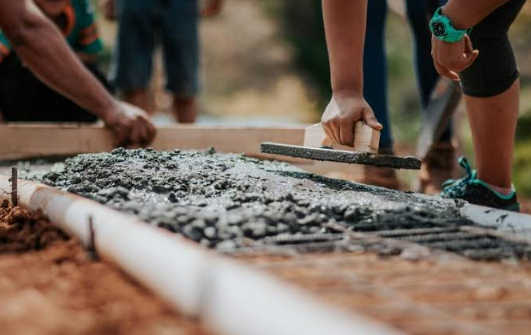
Best Concrete sealing services in Chatham, IL involve cleaning, repairing, and applying a protective coating or penetrating treatment that blocks moisture, stains, and chemical damage while allowing the concrete to breathe. The process starts with pressure washing or degreasing to remove dirt, oil, and organic growth. Cracks and spalls get patched with epoxy mortar or polymer-modified cement. A penetrating silane-siloxane sealer soaks into the pores to repel water and de-icing salts, or a film-forming acrylic or polyurethane coating creates a protective barrier with a satin or gloss finish. Decorative options include colored sealers, stamped concrete overlays, and anti-slip additives for pool decks or walkways. In Chatham, we’ve noticed that most homeowners initially think sealing is just about making the concrete look wet and dark. That assumption leads them to hire painters or handymen who roll on cheap acrylics that peel within a season because they skip the prep work and use products not rated for freeze-thaw exposure.
The local context matters here. Chatham sits in central Illinois with hot, humid summers, cold winters that bring repeated freeze-thaw cycles, and heavy use of road salt and de-icers that eat away at unprotected concrete. The area’s clay soils expand and contract with moisture changes, stressing slabs and creating cracks that let water penetrate. Spring rains and melting snow drive moisture into porous concrete, where it freezes, expands, and causes surface spalling and scaling. Understanding how our climate accelerates concrete degradation before selecting a sealer prevents the whitening, peeling, and premature failure that ruin poorly planned applications.
The Real Challenge in Chatham
What locals actually face with Trusted concrete sealing services in Chatham, IL isn’t just finding someone available—it’s finding someone who understands that Midwest concrete protection is about surviving winter, not just looking good in summer. A client in Chatham reached out when they noticed their three-year-old patio was flaking along the edges, the color had faded to a dull gray, and water was pooling in low spots instead of beading up. A previous contractor had pressure-washed the surface, let it dry for an hour, and rolled on a water-based acrylic sealer in direct afternoon sun. The sealer trapped moisture underneath, blistered within weeks, and offered almost no salt resistance. The fix required stripping the old coating, repairing the damaged concrete with a polymer patch, and applying a penetrating silane-siloxane treatment followed by a breathable acrylic topcoat rated for freeze-thaw cycles. It cost more than the original job, but the patio has held up through three winters since.
One objection customers have but nobody answers: “Will sealing my concrete trap moisture inside and make cracking worse?” Most contractors avoid this because the honest answer requires explaining vapor permeability, application conditions, and the difference between penetrating and film-forming sealers. The truth is that a properly specified sealer, applied to a fully cured and dry slab at the right temperature, actually helps concrete breathe while repelling liquid water. The wrong product—especially a non-breathable film-forming sealer applied to damp concrete—traps moisture that freezes and causes surface damage. A contractor who dismisses this concern or claims all sealers are basically the same is one to question.
How Concrete Art LLC Approaches It Differently
Concrete Art LLC handles concrete sealing services with a process built around Chatham’s specific climate and soil conditions rather than a generic application checklist. We start with a moisture content test using electronic meters, especially on newer slabs or areas that have been recently cleaned or exposed to rain. In Chatham specifically, we avoid applying film-forming sealers when nighttime temperatures are expected to drop below 40 degrees within 48 hours, because our fall and spring temperature swings interfere with curing and adhesion more than most contractors admit.
Here is something generic articles never mention: the type of aggregate and finish in your concrete mix affects how sealers perform and look in ways that matter long-term. Chatham builders often use local limestone and river rock aggregates that create a more porous, varied surface than the dense, uniform concrete common in other regions. That porosity means penetrating sealers absorb unevenly and film-forming coatings can appear streaky if the application rate isn’t adjusted. We vary our application technique based on the concrete’s age, finish, and aggregate exposure. Most competitors apply product at a fixed rate regardless of surface variation. That difference shows up in whether your sealed surface looks uniform and professional two years later or develops patchy, thin spots that fail prematurely.
Practical Tips: What to Know Before You Decide
Working with clients in Chatham, our team found that the most successful concrete sealing projects share one trait: the homeowner waited for the right weather window and kept traffic off the surface for the full curing period. Sealing too early in spring, when overnight frost is still likely, or too late in fall, when moisture is already migrating through the slab, leads to premature failure. Their patience prevented callbacks and rework.
One local market-specific tip: if your concrete was poured within the last 28 days, hold off on sealing entirely. New concrete needs time to cure and release excess moisture, and in Chatham’s climate with frequent spring rains and high humidity, that might mean waiting closer to 45 days. Sealing too early locks in moisture and guarantees problems when winter freeze-thaw cycles arrive. Check with your concrete contractor about the mix design and curing conditions specific to your pour.
Before you hire anyone, ask what sealer they plan to use and why. A knowledgeable contractor names the product type—penetrating silane-siloxane, breathable acrylic, or polyurethane—and explains whether it’s rated for freeze-thaw exposure and de-icing salt resistance. Ask how they prep the surface, what temperature range they require, and whether they offer any warranty on the application. Request references from recent sealing projects in Sangamon County, and if possible, visit a completed job site to see how the surface has held up through a Midwest winter. Affordable concrete sealing services in Chatham, IL doesn’t mean skipping these questions to save a few dollars upfront.
Making the Right Call for Your Chatham Concrete
Protecting your concrete is a straightforward decision that pays off over years of harsh weather and heavy use. The right approach matches the sealer to your slab’s condition, your local climate, and realistic maintenance expectations. Professional concrete sealing services in Chatham, IL start with honest conversations about what’s possible, what it costs, and how to get a finish that holds up through freeze-thaw cycles and salt exposure.
If you are weighing options for your driveway, patio, or garage floor, trusted concrete sealing services in Chatham, IL are worth researching carefully before you commit. Concrete Art LLC offers assessments where we evaluate your concrete’s age, porosity, and exposure, then recommend a realistic scope and timeline. No pressure, no upsell—just a clear picture of what your project involves. Reach out when you are ready to talk through the details.
FAQs
How long does concrete sealing take in Chatham?
Most concrete sealing projects take one to two days depending on surface size and condition. A standard two-car driveway requires one day for cleaning, repairs, and application. Curing typically needs 24 to 48 hours before foot traffic and 72 hours before vehicle use. We build realistic timelines that account for weather and proper drying conditions.
What does concrete sealing cost in Chatham, IL?
Costs vary based on square footage, surface condition, and sealer type. A standard driveway typically runs $1.50 to $3.50 per square foot for a quality penetrating treatment with proper prep. Decorative coatings or extensive crack repair push costs higher. We provide itemized estimates after inspecting your concrete.
How do I know a concrete sealing contractor is legitimate?
Verify they carry an Illinois contractor registration and general liability insurance. Ask for recent references from Sangamon County projects and photos of completed work. A reputable contractor explains their prep process, sealer selection, and application conditions. Avoid anyone offering a quote without seeing your surface or pushing a one-size-fits-all product.
Can I seal my concrete myself, or should I hire a professional?
DIY application is possible on small, simple surfaces if you follow product instructions exactly. Midwest weather windows are narrow, and improper prep or application temperature causes expensive failures. For driveways, large patios, or surfaces with existing damage, hiring a professional with local experience usually saves money and headaches long-term.
How often should I reseal my concrete in Chatham?
Penetrating sealers typically last three to five years in our climate, while film-forming coatings need reapplication every two to three years. Driveways with heavy salt exposure and freeze-thaw cycles require more frequent maintenance. We inspect your surface condition and recommend a resealing schedule based on actual wear, not just a calendar date.