Trusted Concrete Polishing Services in Springfield, IL
Concrete surfaces can look dull, dusty, or uneven after years of traffic and everyday use. For homes and businesses in Springfield, IL, reliable Concrete Polishing Services can turn an existing slab into a smoother, denser, and easier-to-maintain floor without covering it with another flooring material. The process improves the concrete itself through controlled grinding, refinement, densification, and polishing.
Concrete Art LLC provides concrete polishing, coatings, sealing, and epoxy flooring for residential and commercial properties. The company’s service information also shows work in Springfield and surrounding Central Illinois communities, including Rochester. Every slab reacts differently to polishing. Age, hardness, cracks, coatings, moisture, and desired sheen can affect the approach.
A well-planned project starts with surface condition, not appearance. Therefore, property owners should understand preparation, practical finish levels, and routine care before work begins.
Why Concrete Polishing Services Work Well for Existing Floors
Polishing can improve many structurally sound concrete surfaces without adding a thick topical floor covering. However, the slab must first be checked for damage, contamination, and previous treatments.
A Stronger Finish Starts With the Existing Slab
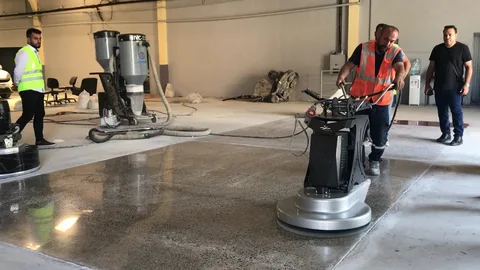
Professional polishing uses progressively finer abrasives to refine the concrete surface. A densifier may also be used to harden porous areas and reduce dusting. As a result, durable polished concrete floors can handle regular foot traffic while remaining simple to clean.
The same process can create different appearances. A low-sheen finish suits practical areas, while higher refinement increases light reflection. Moreover, quality concrete floor polishing can expose little aggregate or reveal more stone.
For homeowners, professional residential concrete polishing can work well in basements, garages, and selected interior spaces. Businesses may prefer reliable polished concrete flooring for showrooms, offices, or other high-use areas.
The key is realistic expectations. Polishing enhances concrete, but it does not hide every crack, patch, or variation. Those characteristics often remain part of the finished floor.
Proper Surface Preparation Determines the Final Result
The visible finish depends heavily on what happens before the final polishing passes. Skipping preparation can leave scratches, coating residue, uneven areas, or weak repairs visible after the floor becomes reflective.
What Professionals Check Before Polishing
Choosing professional Concrete Polishing Services should include a careful assessment of the existing slab, not only a discussion about gloss.
Five preparation points deserve attention:
- Remove old coatings, adhesives, grease, and surface contamination.
- Check cracks, joints, spalled areas, and previous repairs.
- Identify soft or unusually hard concrete before choosing tooling.
- Review moisture conditions where they may affect the project.
- Decide the desired aggregate exposure before heavy grinding begins.
Additionally, expert concrete floor polishing requires the abrasive sequence to match the slab. Moving to finer grits too quickly can leave deeper scratches behind.
For residential properties, reliable residential concrete polishing in Springfield, IL should also account for how the room will be used. Basements, garages, and living areas can have very different traffic and cleaning needs.
Good preparation takes more effort initially. Consequently, it supports a more consistent finish and easier long-term care.
Choosing the Right Finish for Homes and Businesses
Not every polished floor needs a mirror-like shine. The best finish depends on lighting, traffic, maintenance expectations, existing slab appearance, and how the room functions.
Match Gloss and Aggregate Exposure to the Space
Property owners should compare practical needs before choosing a finish. For example, trusted polished concrete floors with moderate sheen can suit busy areas where appearance and simple upkeep matter equally.
Consider these five factors:
- Choose a sheen level that fits the room and lighting.
- Discuss how much aggregate you want exposed.
- Consider existing patches that may remain visible.
- Review slip concerns in areas exposed to moisture.
- Match maintenance expectations to the final finish.
In homes, affordable residential concrete polishing can create a clean appearance without covering the slab. Meanwhile, commercial spaces may need a finish selected for heavier traffic.
For larger facilities, professional commercial concrete polishing can support warehouses, retail areas, offices, and similar spaces where durability matters. Likewise, long-lasting polished concrete flooring can reduce the need for wax-heavy maintenance routines when the floor is properly finished and cared for.
A professional should explain these choices before grinding begins because aggregate exposure cannot simply be reversed.
How the Concrete Polishing Process Develops the Surface
A polished floor develops through controlled stages. Rushing them can affect consistency and appearance.
From Initial Grinding to Final Refinement
Well-planned expert Concrete Polishing Services usually begin with surface evaluation and coarse grinding where necessary. The floor then moves through finer abrasive stages until it reaches the selected finish.
A typical project may include:
- Initial grinding to remove weak material or existing residue.
- Crack and joint repairs where appropriate.
- Progressive refinement with increasingly fine tooling.
- Densifier application when the slab requires it.
- Final polishing and protective treatment based on the system.
During this process, reliable concrete floor polishing should produce an increasingly smooth and dense surface. However, technicians need to watch how the slab responds because concrete hardness can vary.
For business environments, expert commercial concrete polishing may require extra attention around traffic lanes, equipment areas, entrances, and control joints. Similarly, professional polished concrete floors should be evaluated for actual use rather than appearance alone.
Concrete Art LLC offers polishing for residential, commercial, and industrial spaces. Slab evaluation matters because a basement and warehouse place different demands on concrete.
Maintenance Helps Preserve the Polished Finish
Polished concrete is considered a low-maintenance flooring option, but low maintenance does not mean no maintenance. Dirt, grit, spills, and harsh cleaners can still affect the surface over time.
Simple Care Protects Appearance and Performance
Routine cleaning helps preserve dependable polished concrete flooring and reduces abrasive dirt that can gradually dull high-traffic areas.
Five practical maintenance habits include:
- Sweep or dust-mop regularly to remove grit.
- Clean spills before they leave residue.
- Use cleaning products suitable for polished concrete.
- Avoid aggressive acidic or highly alkaline cleaners.
- Review high-traffic areas periodically for changes in sheen.
For homeowners, polished floors are easier to maintain when dirt is removed before it gets ground into the surface. Meanwhile, businesses using reliable commercial concrete polishing may need a more frequent cleaning schedule because of higher traffic.
Additionally, high-use floors may eventually benefit from professional burnishing. The schedule depends on traffic, cleaning methods, and finish level.
An evaluation can also help determine whether an older surface needs polishing, sealing, coating, or another approach instead of automatically choosing one treatment.
Planning a Polishing Project in Springfield and Rochester
Local property owners should plan around the slab and building use rather than choosing a finish from photos alone. This matters especially with repaired or previously coated concrete.
Questions to Ask Before Work Begins
Before scheduling trusted Concrete Polishing Services, ask how the contractor will evaluate the slab and define the finished appearance.
Five useful questions include:
- What condition is the concrete in now?
- Will existing coatings or adhesives need removal?
- How much aggregate exposure is realistic?
- What sheen level fits the space?
- What maintenance will the finished floor require?
Springfield property owners may use polished concrete in garages, basements, offices, and retail areas. In nearby Rochester, expert commercial concrete polishing in Rochester, IL is especially relevant for business floors that need a durable, serviceable finish.
Likewise, quality polished concrete floors should be planned around traffic patterns and surface condition. The goal is not simply maximum shine. Instead, the floor should fit its environment and remain manageable to maintain.
Concrete Art LLC serves both residential and commercial flooring needs, making it useful to discuss the intended use before selecting the polishing level or related treatment.
Conclusion
Concrete polishing can create a cleaner appearance, denser surface, and simpler maintenance. However, strong results begin with an honest slab assessment rather than a preset package.
Property owners should consider cracks, coatings, hardness, aggregate exposure, moisture, traffic, and desired sheen before work starts. Therefore, Concrete Polishing Services should be selected according to the condition and use of the floor.
For homes, professional residential concrete polishing can provide a practical finish for suitable interior or garage slabs. Commercial properties may benefit from a professionally polished surface when daily traffic calls for durability. Likewise, professional concrete floor polishing can be adjusted to create anything from a restrained satin appearance to a more reflective finish.
A well-finished floor still needs care. Regular dust removal and suitable cleaners help preserve quality polished concrete flooring over time.
Concrete Art LLC offers concrete polishing in Central Illinois. Discussing the slab and intended use first helps property owners choose a finish that balances appearance, durability, and maintenance.
FAQ’s
How long does concrete polishing take?
Project time depends on floor size, condition, repairs, existing coatings, and the desired finish. A contractor should inspect the slab before giving a reliable schedule.
Can old concrete be polished?
Often, yes. Structurally sound older concrete may be polished after proper cleaning and repair. Severe deterioration may require another treatment first.
Are polished floors difficult to maintain?
No. Routine sweeping, suitable mopping, and prompt spill cleanup usually handle everyday care. High-traffic spaces may need periodic professional maintenance.
Can I choose how shiny the floor will be?
Yes. Polishing can create lower-sheen through highly reflective finishes. The slab condition and intended use should guide the choice.
Is polished concrete suitable for commercial spaces?
Yes. Properly prepared polished concrete can work in many retail, office, warehouse, and other commercial environments where durability and manageable upkeep are priorities.