Professional Concrete Sealing Service in Taylorville, IL
Concrete may look solid, but its surface contains small pores that can absorb moisture, oils, dirt, and other contaminants. Over time, exposure to traffic and changing Illinois weather can leave driveways, patios, garage floors, and commercial surfaces looking worn. Reliable Concrete Sealing service adds a protective layer that helps reduce surface exposure while making routine cleaning easier.
For property owners who want stronger, better-maintained concrete, Concrete Art LLC provides concrete flooring solutions for residential and commercial surfaces. Proper sealing starts with more than applying a product. Surface condition, previous coatings, moisture, intended use, preparation, and curing conditions all influence the final result.
Moreover, professional concrete floor sealing can support long-term surface care without changing how the concrete is used. Likewise, durable protective concrete coatings may provide added resistance where floors face frequent traffic or spills.
The following guide explains how sealing works, where it provides the most value, what preparation involves, and how owners can maintain sealed surfaces over time.
Why Concrete Surfaces Benefit From Professional Sealing
Bare concrete can tolerate significant use, yet regular exposure eventually affects its appearance and surface condition. Outdoor slabs face rain, dirt, temperature changes, and seasonal moisture. Meanwhile, garages and commercial floors may encounter vehicle traffic, oil, chemicals, and abrasion.
Protection Starts at the Surface
A quality sealer helps limit the amount of liquid and staining material that enters the concrete. Therefore, effective concrete surface protection can make routine maintenance more manageable.
Sealing may also help preserve decorative finishes and reduce surface staining. However, a sealer cannot repair structural movement, major cracking, or unstable concrete. Those conditions require evaluation before sealing begins.
Additionally, quality moisture-resistant concrete sealer products work best when contractors match them to the slab and environment. A patio, garage, warehouse floor, and driveway may not need the same type of product.
Property owners should also avoid assuming that more sealer always provides better protection. Correct preparation and controlled application usually matter more than excessive coating thickness.
How the Concrete Sealing Process Works
A long-lasting result depends heavily on what happens before the sealer reaches the floor. Dirt, oil, dust, weak coatings, and surface contaminants can interfere with adhesion and appearance.
Preparation Makes the Difference
Expert Concrete Sealing Service should begin with an inspection of the concrete and its current condition. Contractors can then determine what preparation and sealing approach fits the surface.
Five important stages commonly include:
- Inspecting cracks, stains, wear, and previous treatments.
- Cleaning the concrete thoroughly before application.
- Removing incompatible coatings or contaminants when necessary.
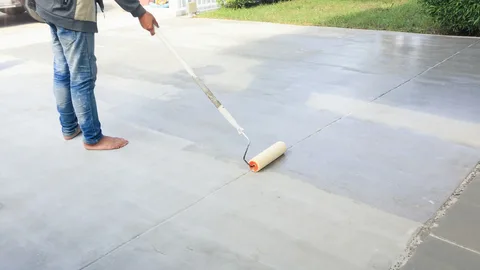
- Applying the selected sealer evenly across the prepared surface.
- Allowing adequate drying and curing before normal use resumes.
Moreover, professional concrete floor sealing requires attention to moisture and surface cleanliness. Applying material over a poorly prepared slab can lead to uneven results.
Concrete Art LLC emphasizes preparation, cleaning, and careful sealer application as part of its sealing approach. Therefore, owners should view preparation as part of the service rather than an optional extra.
Where Sealed Concrete Provides Practical Value
Different areas expose concrete to different stresses. For that reason, sealing decisions should consider how people use the surface each day.
Residential and Commercial Applications
Driveways deal with vehicles, dirt, and weather. Patios face rainfall, sunlight, food spills, and outdoor traffic. Garage floors may experience oil, tire traffic, and chemicals. Meanwhile, commercial floors often need to tolerate repeated foot or equipment movement.
Five common applications include:
- Residential driveways
- Outdoor patios and walkways
- Garage and basement floors
- Commercial concrete flooring
- Decorative or finished concrete surfaces
For homeowners comparing options, professional concrete surface protection in Taylorville, IL can be especially useful for concrete exposed to everyday wear and seasonal conditions.
Furthermore, reliable driveway and patio sealing helps create a surface that is easier to clean when properly maintained. Durable protective concrete coatings may also suit areas where additional surface performance is required.
The right approach depends on traffic, location, existing concrete condition, and desired finish. Therefore, contractors should evaluate the actual surface before recommending materials.
Choosing a Sealer for the Concrete Surface
Not every sealer performs the same way. Some products penetrate the concrete, while others create a protective surface film. Consequently, selecting a product only because it looks glossy can lead to disappointing results.
Match the Product to the Environment
Professional Concrete Sealing Service should account for where the slab is located and what it must withstand. A decorative indoor floor has different requirements from an exterior driveway.
Five factors deserve consideration:
- Indoor or outdoor exposure
- Vehicle or pedestrian traffic
- Moisture and staining concerns
- Existing decorative finishes
- Desired appearance and maintenance level
For exterior surfaces, dependable moisture-resistant concrete sealer selection can help limit water absorption when the product suits the concrete and conditions.
Meanwhile, trusted protective concrete coatings may provide a practical option for certain high-use surfaces. However, contractors should first determine whether the existing concrete can accept the selected coating.
Concrete Art LLC works with sealing, coatings, polishing, and epoxy flooring. That broader flooring knowledge can help determine when sealing makes sense and when another surface treatment may better suit the slab.
Maintaining Concrete After Sealing
Sealed concrete still needs routine care. Fortunately, proper maintenance usually focuses on keeping the surface clean and addressing problems before they become more difficult to manage.
Simple Habits Can Extend Surface Performance
The maintenance schedule depends on traffic, exposure, sealer type, and surface use. Therefore, owners should follow the care recommendations provided for their specific finish.
Five useful maintenance practices include:
- Sweep or remove abrasive dirt regularly.
- Clean spills before they remain on the surface for long periods.
- Use cleaning products compatible with the applied sealer.
- Watch high-traffic areas for noticeable wear.
- Arrange an evaluation when protection begins to decline.
Additionally, quality concrete floor sealing should be reviewed periodically rather than recoated on an arbitrary schedule.
Outdoor surfaces may experience different wear patterns than interior floors. For example, reliable driveway and patio sealing in Rochester, IL should account for exterior exposure and normal property use.
Likewise, effective concrete surface protection performs best when owners avoid harsh cleaning methods that could damage the finish. Routine observation can help identify dull areas, staining, or wear before larger sections require attention.
Planning a Concrete Sealing Project
A successful project begins with realistic expectations. Sealing can protect and enhance suitable concrete, but it cannot correct every slab defect.
What to Review Before Work Begins
Trusted Concrete Sealing Service starts with understanding the surface instead of immediately choosing a finish. Property owners can make better decisions when they first identify how the concrete currently performs.
Five useful questions include:
- Does the slab have cracks, spalling, or damaged areas?
- Has another sealer or coating been applied before?
- Does water absorb quickly into the concrete?
- What type of traffic does the area receive?
- Is the goal protection, appearance, easier cleaning, or a combination?
Moreover, professional driveway and patio sealing requires suitable weather and curing conditions for exterior work. Scheduling should allow enough time for surface preparation and proper curing.
A reliable moisture-resistant concrete sealer should also match the location rather than being selected only by price.
Finally, owners should discuss repairs before sealing. Treating a stable, properly prepared slab generally provides a better foundation for consistent results than simply covering existing surface problems.
Conclusion
Concrete sealing can be a valuable part of maintaining driveways, patios, garages, walkways, and commercial floors. However, good results depend on proper evaluation, preparation, product selection, application, and ongoing care.
Affordable Concrete Sealing Service should focus on protecting the existing surface rather than covering problems that need repair first. Contractors should assess cracking, contamination, previous treatments, moisture conditions, and expected traffic before choosing a sealing method.
For outdoor areas, dependable driveway and patio sealing can help reduce staining and simplify regular cleaning. Likewise, a professional moisture-resistant concrete sealer can provide useful protection when it is compatible with the slab and exposure conditions.
Property owners should also consider maintenance after installation. Even a well-sealed floor benefits from regular cleaning and periodic inspection. As a result, developing a basic care routine can help preserve both appearance and performance.
Overall, the strongest results come from treating sealing as a complete surface-care process. Proper preparation, suitable materials, experienced application, and realistic maintenance expectations work together to support durable concrete surfaces for homes and businesses.
FAQ’s
How do I know if my concrete needs sealing?
Water absorption, frequent staining, fading, surface wear, or loss of an older protective finish may indicate that an evaluation is worthwhile.
Can cracked concrete be sealed?
Minor stable cracks may need repair before sealing. Larger or active cracks should be evaluated to determine the underlying cause first.
Can concrete sealing be used on driveways and patios?
Yes. Contractors commonly seal driveways, patios, walkways, garage floors, and other suitable concrete surfaces.
Does sealed concrete require maintenance?
Yes. Regular cleaning, prompt spill removal, and occasional inspections help maintain the protective finish.
How often should concrete be resealed?
There is no single schedule for every surface. Sealer type, traffic, weather exposure, preparation, and maintenance all affect how long protection lasts.