Commercial Concrete Polishing in Rochester, IL: A Business Guide
Get durable, professional floors with commercial concrete polishing in Rochester, IL. Learn costs, processes, and how to avoid common application mistakes.
Your warehouse floor is dusty, stained, and showing tire marks that no amount of scrubbing removes. Your retail space looks dated compared to the competition, and you are wondering whether polished concrete is the right upgrade. Commercial concrete polishing in Rochester, IL offers a real alternative to epoxy coatings or tearing everything out, but most business owners do not understand what the process actually involves or how our local climate affects the results. Concrete Art LLC has been working with polished concrete long enough to know what holds up in central Illinois and what falls apart after two winters. This article shares what we have learned, what to watch for, and how to get floors that last.
What Commercial Concrete Polishing Actually Does
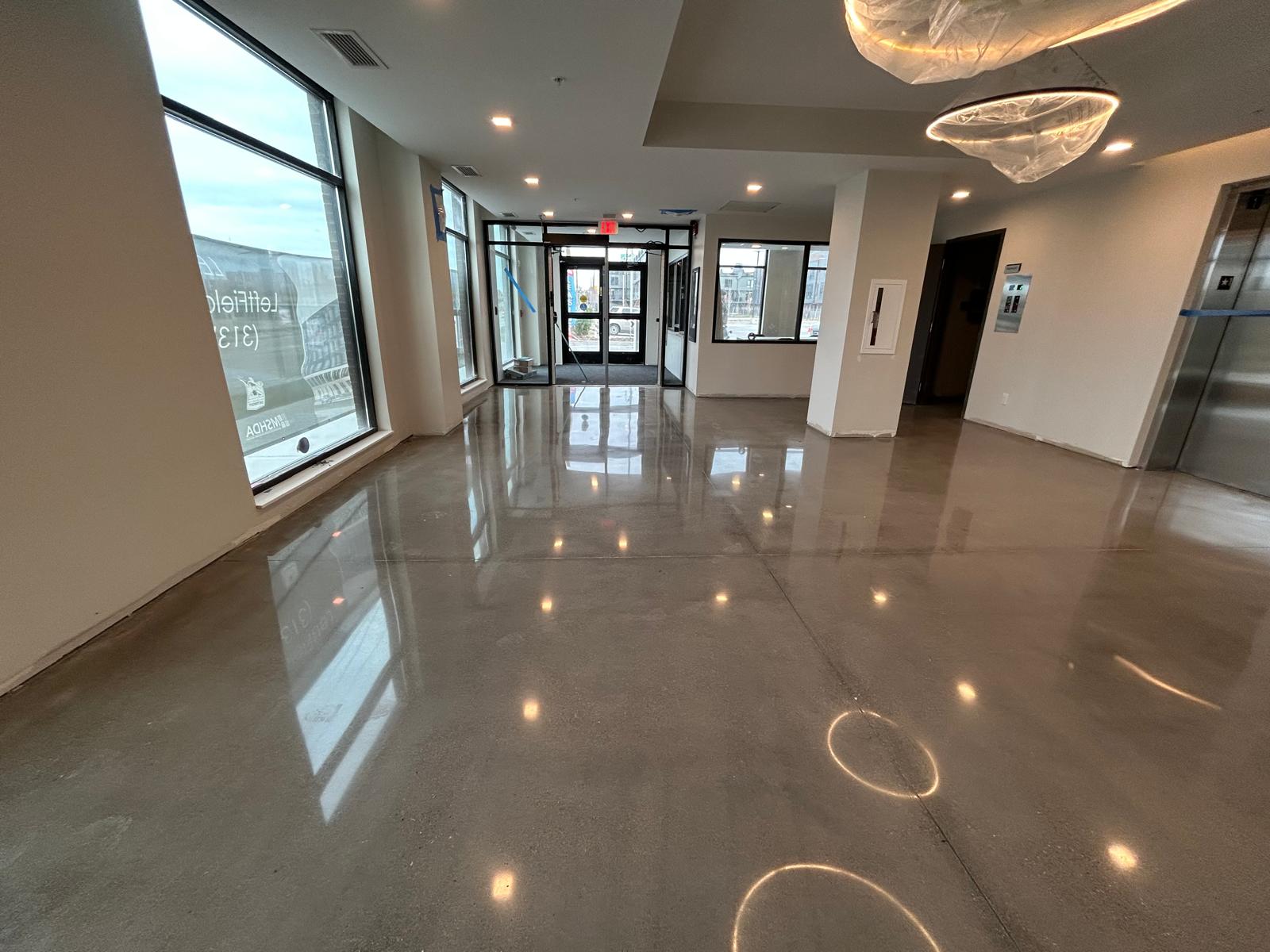
Polished concrete is a mechanical process where a concrete slab gets ground down with diamond abrasives, then hardened and polished to a smooth, reflective finish. The result is a floor that resists stains, handles forklift and foot traffic without showing wear, and does not chip or peel like topical coatings. For commercial spaces, this means lower maintenance costs, better light reflectivity, and a professional appearance that holds up under daily use.
Residential commercial concrete polishing in Rochester, IL , we’ve noticed that most business owners come to us after trying sealers or paints that peeled within a year. The freeze-thaw cycles here are hard on topical coatings. Polished concrete works differently because it changes the surface itself rather than adding a layer on top. That matters when temperatures swing from single digits to sixty degrees inside a warehouse over the course of a season. The densifier reacts chemically with the concrete to harden it from within, creating a surface that handles thermal expansion better than any coating applied on top.
The process typically involves three phases for commercial applications: coarse grinding to remove old stains, level the surface, and expose aggregate if desired; application of a lithium-based densifier that penetrates deeply and hardens the concrete; and fine polishing to the desired sheen level. Business owners usually choose between a matte finish for industrial spaces, a satin sheen for retail and office environments, or a high-gloss reflective surface for showrooms and lobbies. Each level requires different grit sequences and affects both appearance and maintenance requirements.
The Real Challenge in Rochester, IL
Central Illinois’ climate and soil conditions create problems that coastal or southern contractors rarely consider. The clay-heavy soil common in Sangamon County shifts with moisture changes, creating hairline cracks, slight unevenness, and surface imperfections in slabs over time. Freeze-thaw cycles open micro-cracks that trap deicing salts and chemicals, accelerating surface deterioration. Older commercial buildings in Rochester, many constructed between the 1960s and 1990s, have concrete pours with softer aggregate and lower cement content than modern standards require. All of these factors affect how the slab responds to grinding, densification, and polishing.
A client Best commercial concrete polishing in Rochester, IL reached out when their newly polished warehouse floor was developing patchy dull spots and spider cracking six months after another company finished the job. The previous contractor had skipped densifier application in high-traffic aisles, had used a one-size-fits-all grit sequence that did not account for the softer aggregate common in older Rochester-area pours, and had not addressed existing cracks before polishing. We had to regrind the entire surface, repair the structural cracks with epoxy injection, apply the correct densifier formulation, and restart the polish sequence. The fix was possible, but it cost significantly more than doing it right the first time would have.
Here is the objection most competitors never answer directly: polished concrete is not maintenance-free. It is low-maintenance, but commercial floors still need regular dust mopping, periodic auto-scrubbing with neutral pH cleaners, and occasional re-burnishing in high-traffic areas. Companies that promise “zero maintenance” are setting business owners up for disappointment. We tell clients the truth about what their floors need so they can budget for proper care and protect their investment.
How Concrete Art LLC Approaches It Differently
Affordable commercial concrete polishing in Rochester, IL does not book a commercial job and send a crew with a standard machine setting. We test the slab hardness first using Mohs hardness picks, because concrete poured in Rochester in the 1970s behaves differently than a 2010 pour with modern admixtures. Hardness determines which diamond tooling we start with and how we sequence the grits. Skip that step and you either waste time grinding with inadequate tooling or damage the floor with abrasives that are too aggressive for the substrate.
We also account for Rochester’s specific environmental conditions. For exterior loading docks and entries, we specify different densifier formulations and finish levels because those areas see more moisture, salt, and abrasion than interior spaces. For food service and medical environments, we address slip resistance requirements and sanitation standards that generic polishing crews often overlook. Most articles about commercial concrete polishing never mention this, but the finish specification directly affects safety compliance and insurance liability in commercial settings.
Working with clients in Rochester, IL, our team found that businesses converting warehouse space to retail or office use need a different aesthetic approach than pure industrial facilities. We often recommend exposing aggregate for a more refined look in customer-facing areas while keeping a simpler matte finish in back-of-house spaces. That dual approach controls costs while delivering the right impression where it matters. The guidance comes from years of seeing what actually works in real commercial buildings here, not showroom displays.
Practical Tips: What to Know Before You Decide
Before you hire professional commercial concrete polishing services in Rochester, IL, walk through these points.
Check the age and condition of your slab first. If it is less than 28 days old, it is not ready for polishing. If it has major structural cracks, heaving from soil movement, or significant spalling from freeze-thaw damage, those issues need repair before any surface work begins. A contractor who quotes a firm price without inspecting the slab is guessing, and you will pay for that guess one way or another.
Ask about the densifier brand and application method. Cheap sodium silicate densifiers work initially, but lithium-based options penetrate deeper and perform better over time in climates like ours. A contractor who cannot explain the difference between densifier chemistries or who applies the product with a garden sprayer rather than proper saturation methods is cutting corners.
Get a realistic timeline. A typical 5,000-square-foot commercial polish takes three to five days for grinding, densifying, and polishing, plus 24 hours of cure time before you can move equipment back. Large warehouses or spaces requiring extensive crack repair can take a week or more. Anyone promising same-day completion for a commercial job is either working with inferior materials or planning to skip critical steps.
One local market-specific tip: if your commercial building was constructed before 1990, ask whether the slab contains fly ash or other supplementary cementitious materials. These were common in central Illinois construction during that era and can affect how the concrete responds to grinding and densification. An experienced contractor knows how to adjust tooling sequences and densifier selection for these variations. One who treats every slab the same is going to get inconsistent results.
Why the Right Polishing Contractor Matters for Your Rochester Business
A properly polished commercial concrete floor should look better at year five than a coated floor looks at year two. You will dust mop and auto-scrub for routine cleaning. No waxing is required. In retail and office spaces, the reflective surface bounces light around and reduces lighting costs. In warehouses, it resists tire marks and chemical stains far better than raw concrete or topical sealers.
Conclusion
If you are considering trusted commercial concrete polishing in Rochester, IL, start with a slab assessment. Know what you are working with before you commit. The right preparation and the right process make the difference between a floor that supports your business and one that becomes a recurring expense. Concrete Art LLC handles commercial concrete polishing in Rochester, IL with the understanding that every slab is different and every business has different operational needs. Reach out for an honest evaluation of your space, and we will tell you exactly what your floor needs and what it does not.
FAQs
How much does commercial concrete polishing cost in Rochester, IL?
Most commercial projects run $3 to $8 per square foot depending on slab condition, desired sheen level, and whether repairs are needed. A small retail space might cost $2,500 to $5,000, while a large warehouse could reach $15,000 or more. We always assess the space first and give a firm quote with no hidden add-ons.
How do I know a concrete polishing contractor is legitimate?
Ask for photos of completed commercial jobs in central Illinois, not stock images. Request references from business owners in Rochester or nearby towns. A legitimate contractor carries general liability and workers’ compensation insurance, explains their process in plain language, and does not pressure you to sign immediately.
How long does a polished concrete floor last in a commercial setting?
With proper installation and maintenance, a commercial polished concrete floor lasts 15 to 20 years before needing significant attention. In low-traffic areas, it can look great even longer. Re-burnishing every few years keeps the shine fresh, but the structural finish remains intact.
Can polished concrete be done on old, cracked warehouse floors?
Yes, but cracks need to be filled and leveled first. Hairline cracks are common and usually not a problem. Major structural cracks or heaving indicate underlying issues that polishing alone will not solve. A good contractor tells you when repair work is necessary before polishing begins.
Is polished concrete slippery, especially in commercial kitchens or entryways?
The finished surface has some reflectivity, but it is not inherently slippery when dry. In areas where water or grease is common, we can adjust the final polish level or apply a light slip-resistant treatment. Most businesses find it comparable to sealed concrete or tile for traction.